 Save to Pinterest
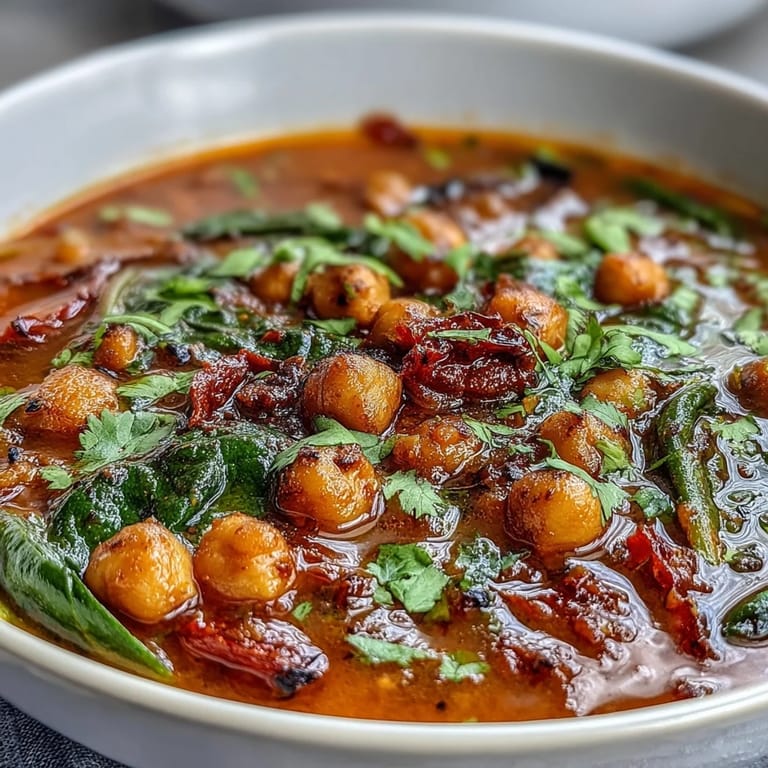
 One Tuesday evening, my kitchen filled with the kind of warmth that comes not from the oven but from simmering spices—cumin, coriander, turmeric dancing together in olive oil. I was experimenting with what I had on hand: chickpeas, a handful of vegetables, and a spice rack that suddenly felt full of possibility. What emerged was this stew, humble yet deeply satisfying, the kind of dish that made me realize plant-based cooking didn't require sacrifice, just a little curiosity and good spices.
I made this for my sister during a rainy weekend when she was feeling run down, and watching her face light up as she tasted it reminded me that food really is medicine. She asked for the recipe immediately, and now it's become her go-to when she needs something that feels both indulgent and responsible.
Ingredients
- Olive oil: Use a generous amount—it's the foundation that carries the spices' flavors, so don't skimp here.
- Onion, garlic, carrots, bell pepper, and zucchini: The vegetable base that gives the stew its body and sweetness; dice them roughly equal sizes so they cook evenly.
- Chickpeas: Drain and rinse them well to remove excess sodium and that tinny flavor—this one step makes a real difference.
- Ground cumin, coriander, and smoked paprika: This trio is the heart of the dish; if your spices are older than a year, replace them for brighter flavor.
- Turmeric: A small amount goes a long way, lending earthiness and that beautiful golden hue.
- Chili flakes: Start with the smaller amount and adjust upward; heat builds as the stew simmers.
- Diced tomatoes and vegetable broth: Buy the best quality you can find—they're not just supporting players here.
- Spinach or kale: Add it at the end so it stays vibrant and doesn't turn to mush in the long simmer.
- Lemon juice and fresh herbs: The finish that lifts everything, bringing brightness and preventing the stew from tasting flat or heavy.
Tired of Takeout? 🥡
Get 10 meals you can make faster than delivery arrives. Seriously.
One email. No spam. Unsubscribe anytime.
Instructions
- Begin with the aromatics:
- Heat your olive oil until it shimmers, then add diced onion. Let it soften for 3–4 minutes, stirring occasionally, until it turns translucent and sweet-smelling; this is the foundation everything builds on.
- Build your flavor base:
- Add garlic, carrots, bell pepper, and zucchini, stirring them into the softened onion. Cook for 5 minutes, letting the vegetables release their natural sugars and start to soften at the edges.
- Toast the spices:
- This is the magic moment—add cumin, coriander, paprika, turmeric, chili flakes, pepper, and salt, stirring constantly for about 1 minute until the kitchen fills with an intoxicating aroma.
- Bring it all together:
- Add the rinsed chickpeas, canned tomatoes, and vegetable broth, stirring well. Let it come to a boil, then reduce heat to a gentle simmer for 20–25 minutes, stirring occasionally so nothing sticks to the bottom.
- Finish with grace:
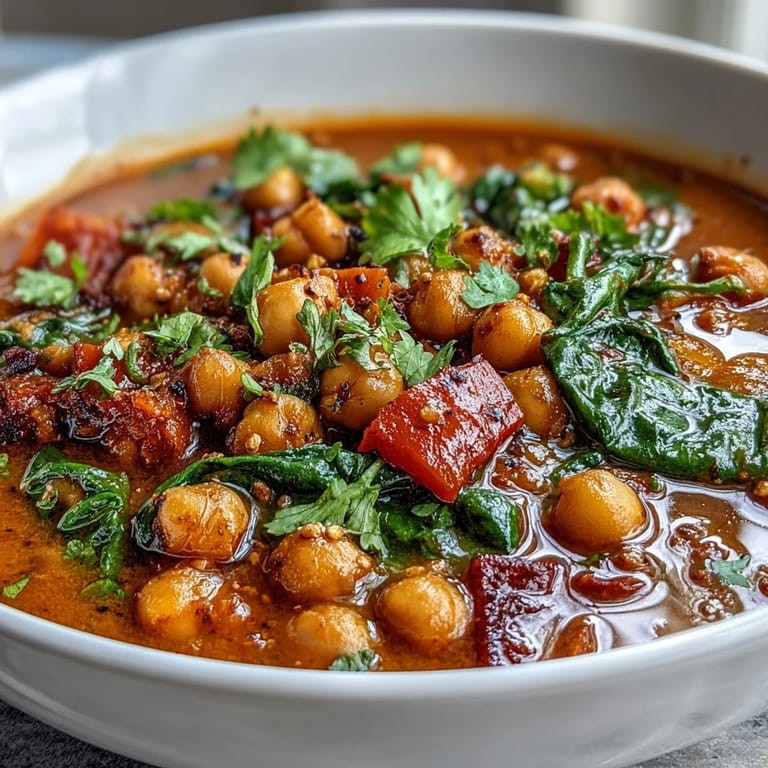
- Stir in the greens and cook until they wilt into the stew, then squeeze in fresh lemon juice and taste for seasoning. The lemon is crucial—it brightens everything and makes the spices pop.
 Save to Pinterest
 There's a moment when all those separate elements—the vegetables, the spices, the beans, the broth—suddenly cohere into something greater than their parts. That's when you know you've got it right.
Making It Your Own
This stew is forgiving and adaptable, which is partly why I keep coming back to it. Swap zucchini for sweet potato if you want deeper sweetness and extra fiber. Add eggplant if you have it. Some days I throw in a can of white beans alongside the chickpeas for extra protein and a slightly creamier texture.
Serving and Storing
Serve this hot with brown rice, quinoa, or thick slices of crusty bread to soak up the flavorful broth. It keeps beautifully in the refrigerator for up to five days, and the flavors deepen slightly each time you reheat it, making it a perfect candidate for meal prep or bringing to work for lunch.
A Secret About the Texture
If you find the stew too brothy or want something richer, ladle out about a cup of the finished stew into a blender, puree it until smooth, and stir it back into the pot. This thickens everything while keeping the broth silky and intensifying the flavor—it's a trick that transforms the whole dish. The first time I did this accidentally and discovered it, I felt like I'd stumbled onto gold.
- Start with less lemon juice and add more to taste—you can always add but you can't take it back.
- Taste the stew regularly as it simmers; seasonings can taste different in the finished dish than they do raw.
- Keep fresh herbs for garnish even if your shopping list feels full—they're worth the space.
 Save to Pinterest
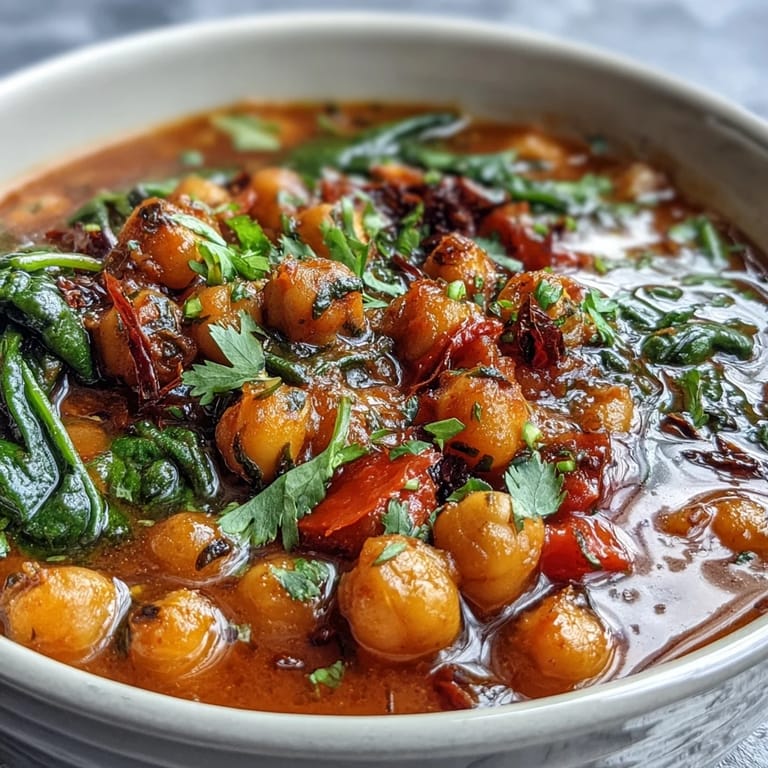
 This is the kind of stew that changes how you think about weeknight cooking—something nourishing, beautiful, and completely achievable without fuss. Make it once and you'll find yourself returning to it again and again.
Recipe FAQs
- → Can I make this stew ahead of time?
Absolutely. This stew actually improves after resting in the refrigerator for 1-2 days as the spices have time to meld. Store in an airtight container for up to 5 days.
- → What can I serve with this chickpea stew?
This pairs wonderfully with brown rice, quinoa, or crusty bread. For a lighter option, serve with a simple green salad dressed with lemon vinaigrette.
- → How can I adjust the spice level?
Reduce the chili flakes to 1/4 teaspoon for mild heat, or increase to 1 teaspoon for extra warmth. The smoked paprika adds depth without significant spiciness.
- → Can I freeze this stew?
Yes, freeze in portions for up to 3 months. Thaw overnight in the refrigerator and reheat gently on the stove, adding a splash of water or broth if needed.
- → What vegetables work well in this stew?
Sweet potato, eggplant, butternut squash, or green beans make excellent additions. Add heartier vegetables like sweet potato during the simmer, and quick-cooking vegetables like green beans in the last 5 minutes.