 Save to Pinterest
 Spring in our tiny apartment kitchen meant windows thrown open to catch whatever breeze the city offered, and something bright on the stove. I'd been craving something that tasted like the farmers market I kept walking past but never stopping at, and this pasta was born from that longing. The first time I made it, my roommate looked skeptically at the bowl of ricotta and lemon mixture, then proceeded to eat three servings. Now it's our go-to when we need dinner to feel like an occasion without actually being one.
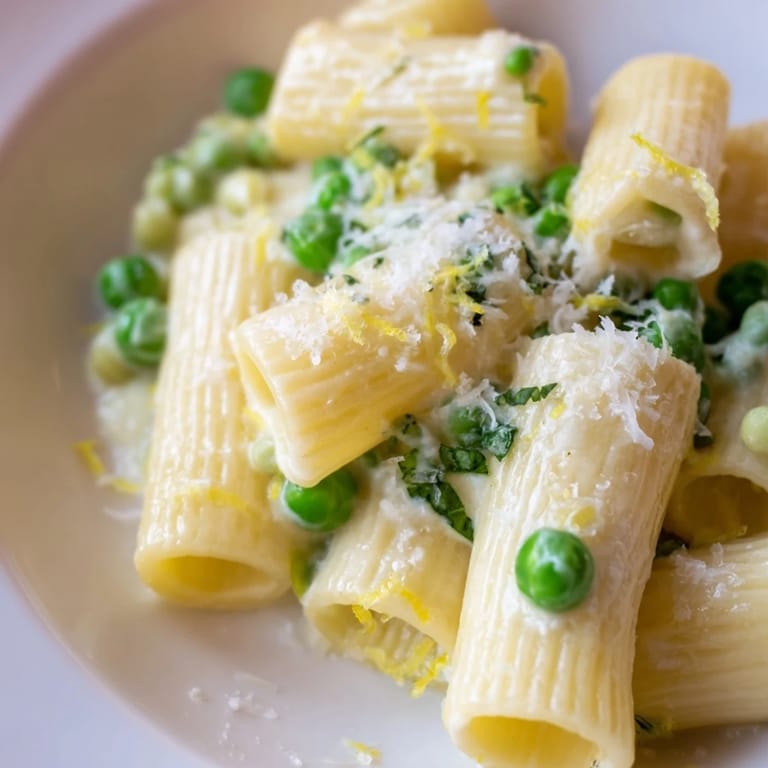
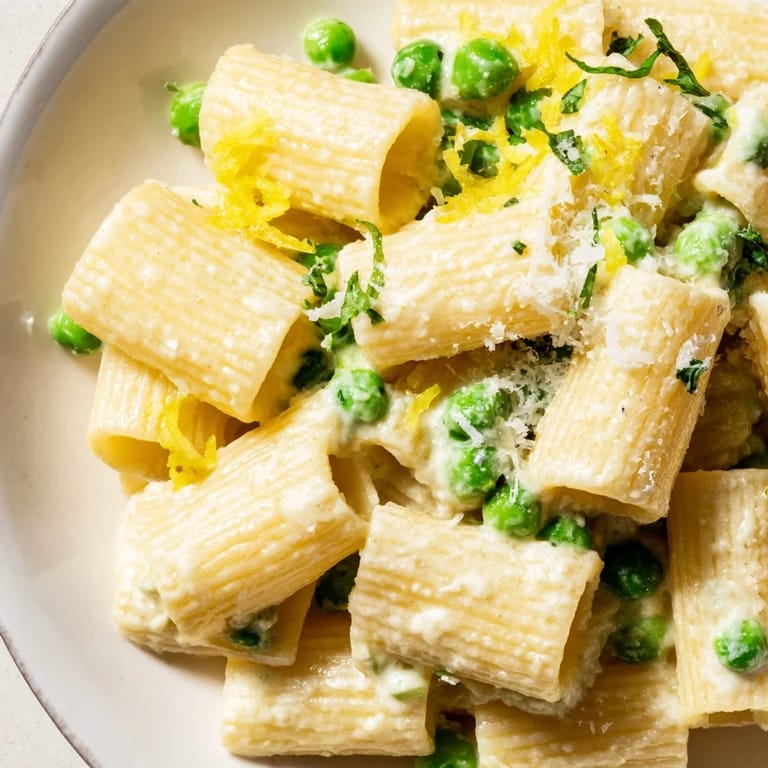
Last Tuesday, after a day that felt like it lasted three weeks, I stood at the stove watching the peas turn bright green against the white ricotta. Something about that color combination made everything feel a little more manageable. My partner wandered in, attracted by the lemon zest scent, and quietly started setting the table without being asked. That's when I knew this recipe had become part of our regular rotation, not because it's fancy, but because it makes ordinary evenings feel like they have a little bit of magic in them.
Ingredients
- 400 g rigatoni: The ridges and tube shape catch the creamy ricotta sauce perfectly, though any sturdy pasta works here
- 250 g ricotta cheese: The base of our no-cook sauce, creating silkiness that heavy cream can never quite achieve
- 1 lemon, zested: Bright acidity cuts through the ricotta richness and makes everything taste awake
- 2 tbsp lemon juice: From about half a lemon, this provides the perfect balance to the creamy elements
- 2 tbsp extra-virgin olive oil: Adds fruitiness and helps the sauce coat the pasta evenly
- 1 small garlic clove, finely grated: Grating disperses the garlic flavor throughout without any harsh bites
- 40 g grated Parmesan cheese: Brings a salty, nutty depth that grounds the bright flavors
- Salt and freshly ground black pepper: Essential for balancing all the flavors—ricotta needs salt to sing
- 200 g frozen or fresh green peas: Little pops of sweetness that make the dish feel like spring on a plate
- Extra grated Parmesan, fresh basil or mint leaves, lemon zest: For serving, these make the dish feel restaurant-worthy
Tired of Takeout? 🥡
Get 10 meals you can make faster than delivery arrives. Seriously.
One email. No spam. Unsubscribe anytime.
Instructions
- Boil the pasta water:
- Bring a large pot of salted water to a rolling boil—you want it salty enough that it tastes like the sea
- Cook the rigatoni:
- Add the pasta and cook until al dente, but reserve 120 ml of that starchy cooking water before draining, it's liquid gold for sauce consistency
- Blanch the peas:
- Drop them into the boiling water for the final 2 to 3 minutes of pasta cooking time, then drain everything together
- Make the ricotta sauce:
- In a large mixing bowl, whisk together the ricotta, lemon zest, lemon juice, olive oil, grated garlic, Parmesan, salt, and pepper until smooth and creamy
- Combine everything:
- Add the hot pasta and peas directly to the ricotta mixture and toss well, adding splashes of reserved pasta water until you get a silky, coating consistency
- Serve immediately:
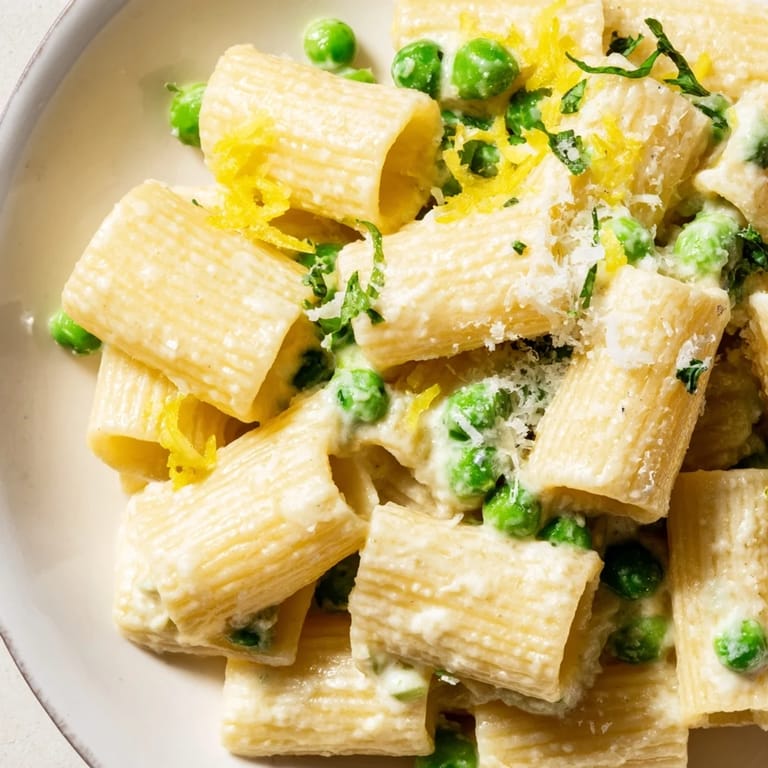
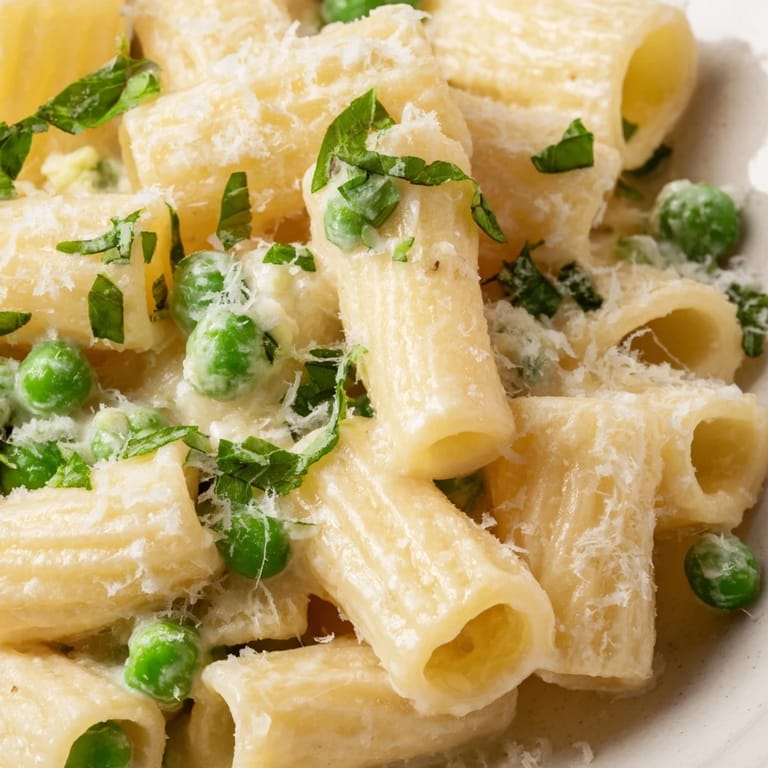
- Plate in warmed bowls and finish with extra Parmesan, fresh herbs, and additional lemon zest if you want extra brightness
 Save to Pinterest
  Save to Pinterest
 We served this to my parents last month, and my mom asked for the recipe before she'd even finished her first bite. Something about the combination of creamy, bright, and sweet just works on a level that feels sophisticated yet completely approachable. Later, doing dishes with candlelight still on the table, I realized this pasta has become shorthand for 'we're eating well tonight' in our house.
Making It Your Own
Sometimes I'll add a handful of arugula to the hot pasta right before tossing—it wilts just enough and adds a peppery note that plays beautifully with the lemon. Other times, when I want something more substantial, I'll toast some pine nuts in a dry pan and scatter them over the top for crunch. The recipe is forgiving, which is part of why it's in such heavy rotation.
Timing Everything Right
I've learned to prep the ricotta mixture before the water even boils, because once that pasta is done, you want everything ready to go immediately. The residual heat from the pasta melts the ricotta just enough and helps it cling to every tube. I keep a ladle in the pasta water so I remember to reserve that liquid before draining—forgotten too many times and regretted every single one.
Serving Suggestions
This pasta wants a simple green salad dressed with nothing but olive oil and vinegar, maybe some crusty bread to swipe the bowl. It's substantial enough to stand alone as a main, but light enough that you won't feel weighed down afterward. I've also served it alongside roasted asparagus when spring produce is at its peak.
- A glass of crisp white wine like Pinot Grigio or Sauvignon Blanc brings out the lemon notes
- If serving as a starter, smaller portions go a long way since the ricotta is filling
- The flavors develop beautifully in the fridge overnight, making for excellent leftovers straight from the container
 Save to Pinterest
  Save to Pinterest
 This pasta reminds me that good food doesn't need to be complicated—just honest ingredients treated with a little bit of care. Hope it brings some bright, spring energy to your table too.
Recipe FAQs
- → Can I use fresh peas instead of frozen?
Absolutely. Fresh peas work beautifully and may only need 2-3 minutes to blanch in the boiling pasta water. Shell them before cooking and add during the last few minutes of the pasta's cooking time.
- → What other pasta shapes work well?
Penne, fusilli, or farfalle all hold the creamy sauce beautifully. Short pasta with ridges or tubes catches the ricotta mixture, ensuring every bite is evenly coated. Even spaghetti works if you prefer longer strands.
- → Can I make this dairy-free?
Yes. Use vegan ricotta and Parmesan alternatives, or substitute with a cashew cream blended with lemon and nutritional yeast. The pasta water helps create the silky texture without traditional dairy.
- → How do I store and reheat leftovers?
Store in an airtight container in the refrigerator for up to 3 days. Reheat gently with a splash of water or olive oil to loosen the sauce, as the ricotta thickens when chilled. The pasta may absorb more liquid as it sits.
- → Can I add protein to make it more filling?
Grilled chicken, shrimp, or even crispy pancetta pair nicely. For vegetarian protein, stir in white beans or serve alongside a simple green salad with nuts. The dish also works well as a side alongside roasted fish or chicken.
- → Why reserve pasta water?
The starchy pasta water emulsifies with the ricotta and olive oil, creating a silky, cohesive sauce that clings to the pasta. Without it, the ricotta may remain separate or grainy rather than smooth and creamy.