 Save to Pinterest
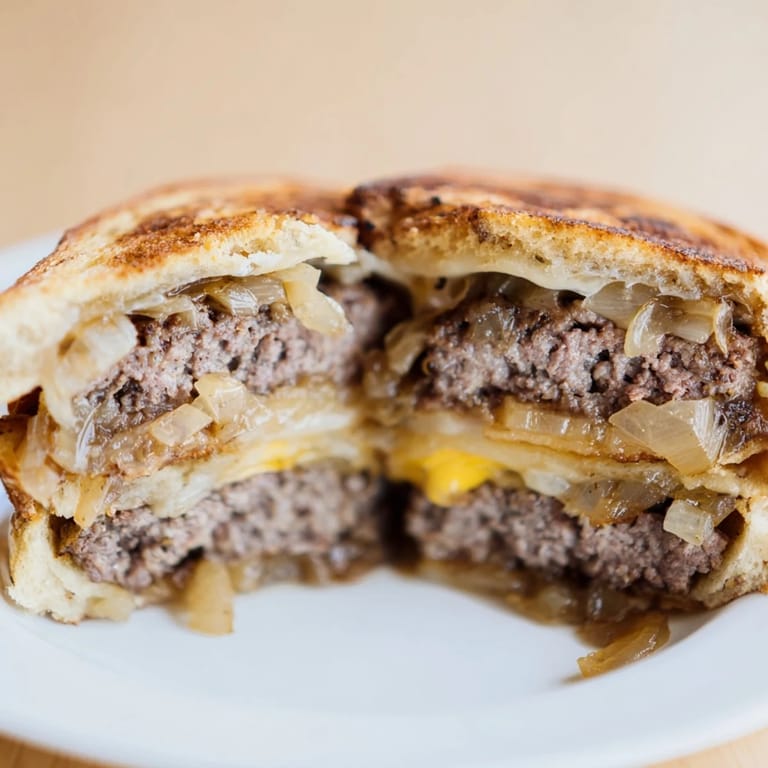
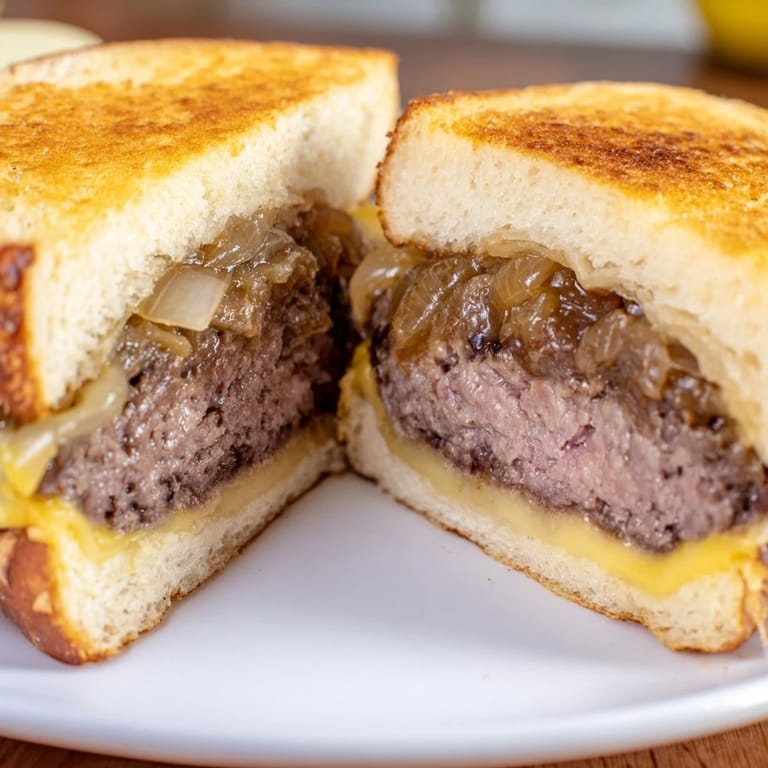
 There's something about the smell of butter hitting a hot griddle that makes everything else disappear. I learned to make patty melts during a rainy Tuesday afternoon when my neighbor stopped by with ground beef and a craving for something warm and comforting. We stood in the kitchen, listening to the onions sizzle and soften, and by the time those sandwiches were golden and oozing cheese, I understood why diners have kept this sandwich alive for decades. It's not fancy or complicated, but it's exactly what you want when you want it.
I made these for my roommates after a late shift, and I watched their faces light up when they bit through that crust and hit the warm cheese. Someone said it tasted like a memory, and I realized that's exactly what a patty melt does—it takes you back to a moment, real or imagined, when life felt simpler and a really good sandwich was enough.
Ingredients
- Ground beef (80/20 blend): The fat ratio matters here because it keeps the patty juicy and flavorful, not dry and dense like leaner meat can become.
- Yellow onions: Don't rush the caramelizing step—those 20-25 minutes transform them into something almost jam-like, and that's where the magic happens.
- Swiss cheese: Its nutty flavor and melting quality make it worth seeking out, though American cheese works if you want that classic diner vibe.
- Rye bread: The slight sourness and dense crumb stand up to the filling without getting soggy, but sourdough is a worthy swap.
- Unsalted butter: You'll need it for the onions and for toasting the bread, so don't skimp.
- Salt and black pepper: Just enough to season the beef without overwhelming it.
- Dijon mustard and mayonnaise (optional): Add these if you want a subtle tang beneath the cheese, or skip them if you prefer the onions to shine.
Tired of Takeout? 🥡
Get 10 meals you can make faster than delivery arrives. Seriously.
One email. No spam. Unsubscribe anytime.
Instructions
- Caramelize the onions:
- Melt butter in a large skillet over medium-low heat, add your sliced onions with just a pinch of sugar, and let them cook slowly, stirring now and then. You'll watch them soften, then turn golden, then amber, and that's when you know they're ready—about 20 to 25 minutes total.
- Shape the patties:
- While the onions work their magic, season your ground beef lightly with salt and pepper. Form it gently into 4 thin ovals, roughly the size of your bread slices, handling it as little as possible so the meat stays tender.
- Cook the beef:
- In a separate skillet over medium-high heat, cook each patty for 2 to 3 minutes per side until the outside is browned and the inside is cooked through. Don't press down on them—let them cook undisturbed.
- Prepare the bread:
- Lay out all 8 slices and butter one side of each slice generously. If you're using mustard or mayo, spread a thin layer on the opposite side of 4 slices.
- Build the sandwiches:
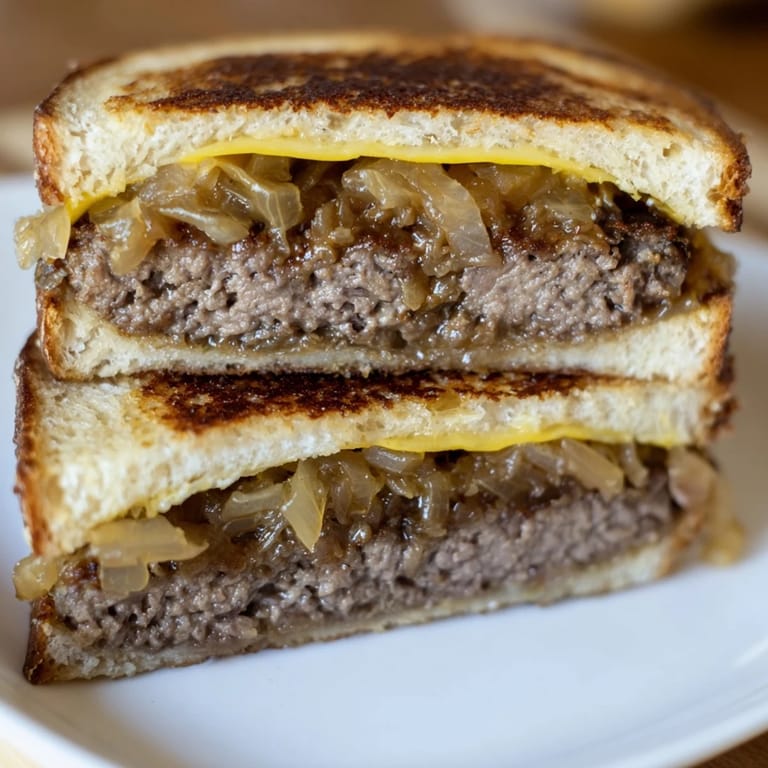
- On the 4 unbuttered slices, layer a slice of cheese first, then a beef patty, then a generous heap of those golden onions, then another slice of cheese. Top with the remaining bread, buttered side facing outward.
- Griddle and press:
- Heat a clean skillet or griddle over medium heat and place the sandwiches down gently. Cook for 2 to 3 minutes until the bread is golden and crispy, then flip carefully and cook the other side the same way. Press down gently as they cook to help the cheese melt and bind everything together.
- Rest and serve:
- Pull them off the heat and let them sit for a minute—this keeps the cheese from running right out of the sandwich when you cut it. Slice diagonally and serve while they're still steaming.
 Save to Pinterest
 I made one of these sandwiches for my dad on a quiet Sunday morning, and he closed his eyes after the first bite like he was remembering something he didn't know he'd forgotten. That's when I understood that some foods aren't just recipes—they're small acts of care that happen to taste incredible.
The Caramelization Lesson
The first time I tried to speed up the onion caramelization by cranking the heat, I ended up with burnt edges and raw insides. That taught me patience in the kitchen more than any instruction ever could. Low heat, gentle stirring, and time are the only real ingredients here—and they're free. Now I use those 20 minutes to set the table, pour a drink, or just stand there and listen to them soften. It's meditative in a way that feels rare.
Bread and Cheese Chemistry
The architecture of this sandwich depends on the bread being sturdy enough to hold its shape and the cheese being thick enough to create a seal. I've experimented with thin-sliced American cheese and found it melts too fast and leaves you with a greasy sandwich; Swiss takes longer to melt but gets creamy and nutty instead of greasy. Rye bread's tight crumb resists soaking up the butter, while softer breads can fall apart under the press of the spatula. Choose both deliberately.
Why This Works as Comfort Food
A patty melt hits all the comfort-food notes at once: the savory beef, the sweet onions, the rich cheese, and the textural contrast of crispy bread and soft filling. It's humble enough to eat alone on a weeknight and special enough to serve to guests. Every element is familiar, but together they become something that feels like a small gift you're giving yourself.
- You can make the caramelized onions ahead of time and reheat them when you're ready to assemble the sandwiches.
- Serve with pickles, French fries, or a simple side salad to round out the meal.
- If you want extra richness, spread a thin layer of mayo on the beef patty itself before building the sandwich.
 Save to Pinterest
 This is the kind of sandwich that deserves to be made slowly and eaten without rushing. It's a reminder that some of the best things we cook don't require special skills or hard-to-find ingredients—just attention and a little time.
Recipe FAQs
- → What type of beef is best for a juicy patty melt?
Use an 80/20 ground beef blend for optimal juiciness and flavor balance when cooking patties.
- → How do you caramelize onions for a sandwich?
Cook thinly sliced onions slowly with butter and a pinch of sugar over medium-low heat until deep golden and sweet, about 20-25 minutes.
- → Can I use different cheeses in a patty melt?
Swiss cheese is traditional, but cheddar or American cheese are great alternatives for varied flavors.
- → What bread types work well for this sandwich?
Rye bread is classic, but sourdough offers a nice texture and tang as a substitute.
- → How should the sandwich be cooked for best results?
Grill the assembled sandwich on a skillet over medium heat, pressing gently until bread is golden and cheese melts thoroughly.
- → Are there suggestions for serving sides?
Pickles or French fries pair nicely, adding crunch and contrast to the rich main.