 Save to Pinterest
 My sister called me three days before her birthday asking if I could bake something spring-like, something that tasted like the season itself. I was standing in my kitchen with no plan when a lemon rolled across the counter—literally rolled—and landed at my feet, which felt like a sign. That afternoon, I started experimenting with layers of bright lemon cake studded with blueberries, and by the time the first layer came out of the oven, filling my kitchen with that sharp, sweet citrus perfume, I knew I'd found exactly what she needed.
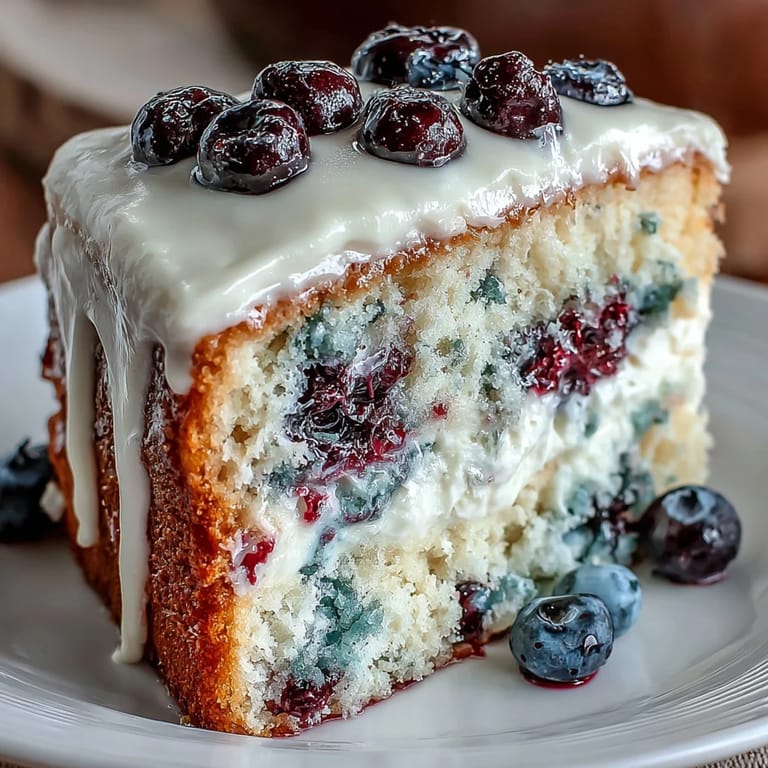
When I finally assembled all three layers for my sister's party, my hands were shaking a little—I'd never done three layers before. My partner stood nearby with a cold drink and just watched as I carefully placed each layer, spread the frosting, and whispered a little prayer that it wouldn't collapse. When those fresh blueberries hit the frosting on top and caught the afternoon light coming through the kitchen window, I actually gasped out loud. That cake became the centerpiece of her whole day, and honestly, it was worth every bit of nerve.
Ingredients
- All-purpose flour (2 1/2 cups): This is your cake's foundation—measure it by spooning into your measuring cup and leveling off, not by scooping directly from the bag, or you'll pack it too tight and end up with a dense cake.
- Baking powder and baking soda (2 tsp and 1/2 tsp): These two work together to give the cake height and a tender crumb; use fresh leavening agents because old ones lose their power and your cake won't rise properly.
- Unsalted butter, softened (1 cup): Room temperature butter creams with sugar to trap air bubbles, which creates that fluffy texture; cold butter just won't incorporate properly no matter how much you beat it.
- Granulated sugar (1 3/4 cups): This sweetens the cake and also helps the butter trap air, so don't skip the creaming step—it's what makes the cake light instead of dense.
- Eggs, room temperature (4 large): Cold eggs don't blend smoothly into the batter and can make your cake grainy, so pull them out of the fridge about 20 minutes before you start.
- Lemon zest and fresh lemon juice (2 tbsp zest, 1/3 cup juice): The zest gives you bright, intense lemon flavor while the juice keeps the cake moist and adds tanginess that balances the sweetness perfectly.
- Whole milk, room temperature (1 cup): The liquid component that creates a tender crumb; room temperature milk mixes smoothly without shocking the batter.
- Fresh blueberries (1 1/2 cups): Toss them in a tablespoon of flour before folding them in—this prevents them from sinking to the bottom of the cake as it bakes.
- Cream cheese, softened (8 oz): This is the soul of your frosting, giving it tang and richness that plain buttercream can't match.
- Powdered sugar, sifted (3 cups): Sifting removes lumps so your frosting is silky smooth and easy to spread; skipping this step means you'll have grainy frosting.
Tired of Takeout? 🥡
Get 10 meals you can make faster than delivery arrives. Seriously.
One email. No spam. Unsubscribe anytime.
Instructions
- Set your stage:
- Preheat your oven to 350°F and grease three 8-inch round pans, then line the bottoms with parchment paper—this extra step means your cakes will slide out cleanly without sticking. Having everything prepped before you start mixing is half the battle.
- Build your dry mix:
- Whisk flour, baking powder, baking soda, and salt together in a medium bowl—this distributes the leavening evenly so you won't get random pockets of dense cake. Set it aside and don't mix it again.
- Cream butter and sugar:
- Beat softened butter and sugar together for about 3 to 4 minutes until it looks pale and fluffy like thick clouds—this is where the magic starts, as you're beating air into the mixture. The transformation is real and worth watching.
- Bring in the eggs:
- Add one egg at a time, beating well after each one until it disappears into the mixture before you add the next—rushing this step or dumping all the eggs in at once can break the emulsion and give you a grainy cake. Take your time here.
- Brighten with lemon:
- Mix in the lemon zest and juice, scraping down the bowl to catch all the bright bits—the zest will stick to the sides of your mixer bowl, so don't let any of that flavor go to waste.
- Alternate wet and dry:
- Pour in a third of the flour mixture, then half the milk, then another third of flour, then the rest of the milk, then the final flour portion, mixing on low speed until just combined after each addition—this prevents overmixing, which would develop gluten and make your cake tough. The batter should be smooth but you should still see some streaks when you're done.
- Fold in the blueberries:
- Toss your blueberries with 1 tablespoon of flour (this keeps them from sinking during baking), then gently fold them into the batter using a spatula—use a folding motion instead of stirring to keep all those air bubbles you worked so hard to create.
- Fill the pans:
- Divide the batter evenly among your three prepared pans—I use a kitchen scale to weigh each pan of batter so the layers bake evenly and stack perfectly. Smooth the tops with a spatula.
- Bake with faith:
- Bake for 25 to 30 minutes, until a toothpick inserted into the center comes out clean with just a few moist crumbs clinging to it—overbaking dries out the cake, so pull them out as soon as they're done. Your kitchen will smell absolutely incredible.
- Cool with patience:
- Let the cakes rest in their pans for 10 minutes (this helps them set), then turn them out onto wire racks to cool completely—don't try to frost a warm cake or the frosting will melt into a puddle. I usually let mine cool for at least 2 hours, or overnight if I'm not in a hurry.
- Make the frosting:
- Beat softened cream cheese and butter together until smooth, then gradually add the sifted powdered sugar, lemon juice, vanilla, and salt, beating until fluffy—this should take about 3 to 4 minutes. If it looks too soft, chill it for 15 minutes before frosting.
- Assemble with care:
- Place one cake layer on your serving plate, spread a generous layer of frosting on top, repeat with the remaining layers, then frost the top and sides—a bench scraper or offset spatula makes this easier, but a regular knife works fine too. Take your time and don't stress about perfection; a little rusticity actually looks more homemade and beautiful.
- Dress it up:
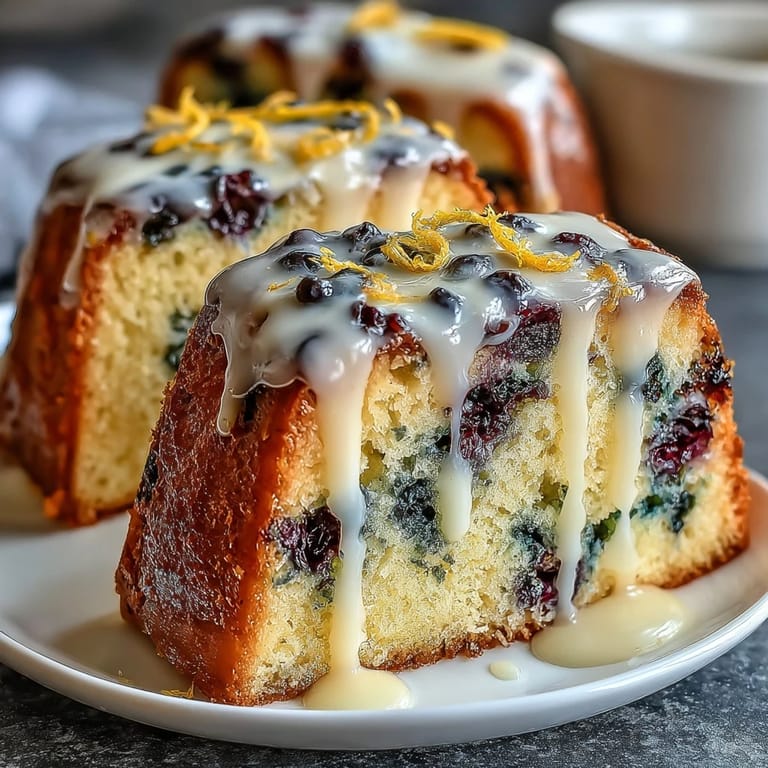
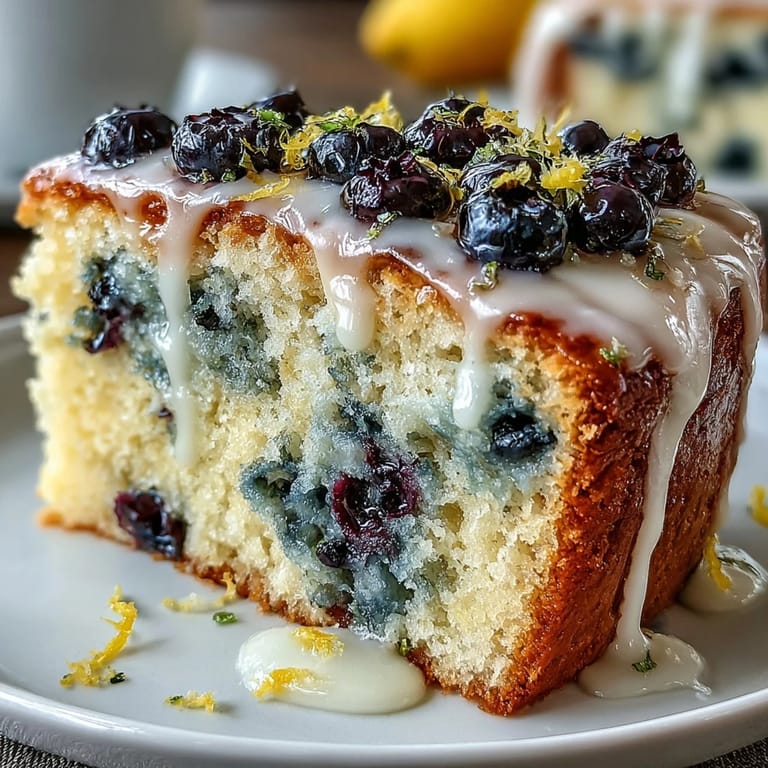
- Top with fresh blueberries, lemon zest curls, and edible flowers if you have them—the decorations turn this from a lovely cake into a showstopper.
 Save to Pinterest
 The moment that really stuck with me was watching my sister's face when she saw that cake on the table—the way the afternoon light caught all those blueberries and made the frosting look almost pearl-like. She didn't say much at first, just kind of stood there taking it in, and I realized then that baking isn't really about perfection; it's about showing someone that you spent time creating something beautiful just for them.
Why This Cake Works for Spring
There's something about the combination of bright lemon and fresh blueberries that just tastes like the season—like you've captured that first warm day in a cake. The tartness of the lemon cuts through the sweetness so you don't feel heavy after eating it, and the blueberries add pops of flavor that keep every bite interesting. When spring finally arrives and you want to celebrate it in your kitchen, this is the cake that makes the most sense.
The Frosting Makes the Cake
I've made plenty of cakes with regular buttercream frosting, but the cream cheese frosting here is genuinely transformative—it's tangy, it's rich, it's not tooth-achingly sweet, and it actually complements the lemon cake instead of fighting against it. The key is using good quality cream cheese and butter, both at room temperature, so they blend into something silky and spreadable. Don't try to rush this part by using cold ingredients; your frosting will be lumpy and hard to work with.
Tips for Layer Cake Success
Three-layer cakes seem intimidating the first time, but they're actually more forgiving than you'd think because each layer has less height to rise, so they bake more evenly and the risk of a dome in the middle is much lower. The real secret is patience—letting the cakes cool completely before frosting prevents the frosting from melting, and taking your time with the assembly means you end up with something that looks intentional and beautiful. If your frosting seems too soft while you're working, pop the cake in the fridge for 15 minutes to firm everything up, and don't be afraid to use an offset spatula or even a butter knife—the tools don't matter as much as the care you put in.
- Weigh your batter when you divide it among the pans so each layer bakes for exactly the same amount of time and rises evenly.
- A cake leveler or long serrated knife can help you trim any domes off the tops before assembling, which makes stacking much easier and more stable.
- Chill the assembled cake for 30 minutes before serving so the layers set and cutting becomes neat and clean instead of messy.
 Save to Pinterest
 This cake has a way of turning an ordinary afternoon into a celebration, and honestly, that's all I could ask for from a recipe. Serve it with a cup of Earl Grey tea or a glass of sparkling wine, and watch how it brings people together.
Recipe FAQs
- → How do I prevent blueberries from sinking in the batter?
Toss fresh blueberries in a tablespoon of flour before folding them into the batter. This helps suspend them evenly throughout the cake.
- → Can I prepare the cake layers ahead of time?
Yes, cake layers can be baked a day in advance, wrapped tightly once cooled, and stored at room temperature or refrigerated.
- → What is the best way to achieve a moist texture?
Using room temperature ingredients and alternating dry and wet ingredients gently during mixing helps create a tender, moist crumb.
- → How should the cake be decorated for a spring theme?
Top with fresh blueberries, lemon zest curls, and edible flowers to enhance the vibrant, seasonal look.
- → Are there tips to enhance the lemon flavor?
Brushing the cooled cake layers with lemon syrup before frosting intensifies the citrus notes.