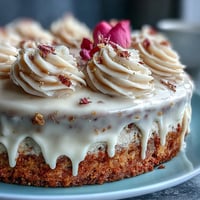
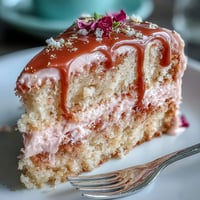
 Save to Pinterest
 Floral scents and the gentle sizzle of sugar in butter always remind me of the morning I decided, almost impulsively, to create a cake that celebrated both earthy roots and a dash of elegance. There’s a grounding calm that comes with measuring flour beside the open window, sunlight spilling over my kitchen counter. The layers—golden and fragrant—came together while music played and a tabby cat dozed on my kitchen rug. I hadn’t planned on them swirling with natural colors, but the urge to play with matcha greens and beet pinks overtook me. Sometimes, a recipe grows from the quiet harmony of an ordinary day.
Last spring, with my sister hunched over the counter arranging edible violets, we ended up giggling as we ‘accidentally’ sampled a few flowers before they made it on the cake. She insisted on extra gold dust, and we both watched in delight as each layer came to life—immediately promising we’d save a sliver for breakfast the next day, though we absolutely failed to keep that promise.
Ingredients
- All-purpose flour: Opt for unbleached if you can—I find it gives the cake a heartier, more grounded crumb.
- Baking powder & soda: These give the layers their airy lift, but measure with a light hand to avoid a soapy taste.
- Unsalted butter: Softened butter creams faster, and brings everything together with a creamy backbone.
- Brown sugar: I use dark brown for extra richness; pack it in tightly for the deepest flavor.
- Eggs: Room temperature eggs blend more smoothly, keeping your layers even.
- Vanilla extract: Good vanilla rounds out the butterscotch notes—you’ll notice if you use the real stuff.
- Sour cream or plain yogurt: This touch of tang makes each bite tender and melt-in-your-mouth.
- Whole milk: Don’t swap for skim; the fat helps produce a soft, even crumb.
- Butterscotch sauce: Made fresh—homemade is night and day from store bought.
- Powdered sugar: Sift it well, or you’ll end up with lumpy frosting.
- Rose water: The smallest touch gives a lingering floral perfume (add slowly and taste as you go).
- Dried lavender: Optional but lovely—grind it finely, or risk chewy bits.
- Natural colorants: Start with a pinch for subtle swirls; too much, and the flavors take over.
- Edible flowers & herbs: These transform the cake visually—make sure they’re food safe.
- Gold leaf or dust: It’s dramatic but not essential; reserve for days that need sparkle.
Tired of Takeout? 🥡
Get 10 meals you can make faster than delivery arrives. Seriously.
One email. No spam. Unsubscribe anytime.
Instructions
- Preheat & Prepare:
- Set your oven to 350°F and line three 8-inch pans with parchment—the scent as it preheats is unmistakably cozy.
- Craft the Butterscotch Sauce:
- Melt butter in a saucepan, then bubble with brown sugar until it smells like caramel; whisk in cream and savor the gloss as it thickens, then finish with vanilla and a pinch of salt.
- Mix the Dry Ingredients:
- Inhale the flour, baking powder, soda, and salt as you whisk them together in a big bowl; it should feel soft and antsy between your fingers.
- Cream & Combine:
- Beat butter and brown sugar till fluffy, scrape in eggs one at a time, and stir in vanilla with gentle conviction.
- Add Sour Cream and Sauce:
- Fold in sour cream and butterscotch sauce, watching the batter gloss up and deepen in color.
- Alternate Flour & Milk:
- Add flour and milk in turns, beginning and ending with flour; mix until everything just melds—no more.
- Bake the Layers:
- Divide the pale gold batter into pans, smoothing tops before sliding them into the oven; wait as the kitchen fills with butterscotch steam.
- Cool the Cakes:
- Let them rest in their pans, then gently tip out onto racks; try not to nibble the toasty edges.
- Make the Frosting:
- Beat butter until cloudlike, then rain in powdered sugar; add milk to loosen, and finish with rose water and (if using) lavender.
- Tint with Earthy Color:
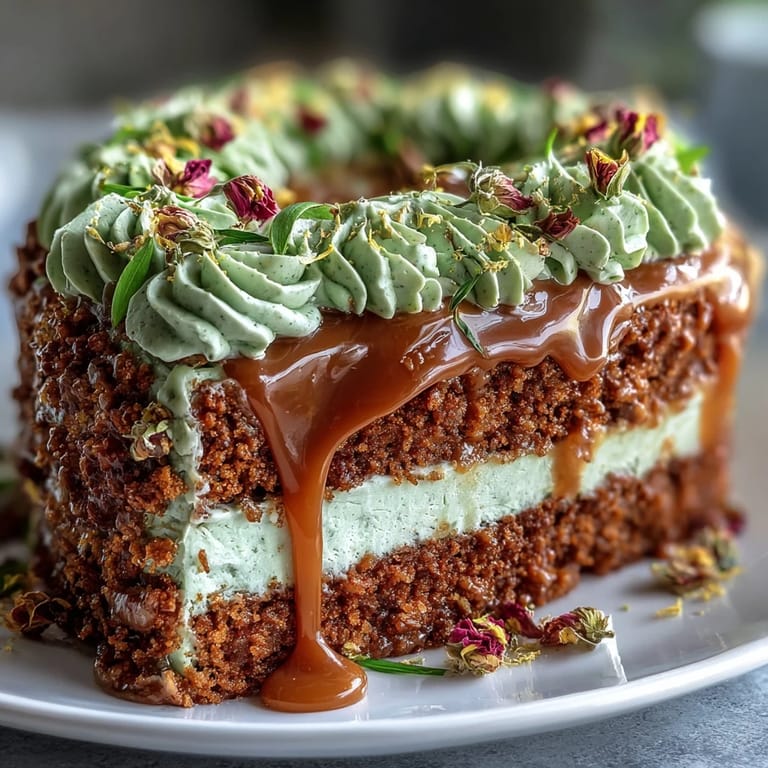
- Divide the buttercream and swirl in matcha, beet, cocoa, turmeric, or spirulina for gentle, mottled tones—use a light hand and marvel as the colors bloom.
- Layer & Swirl:
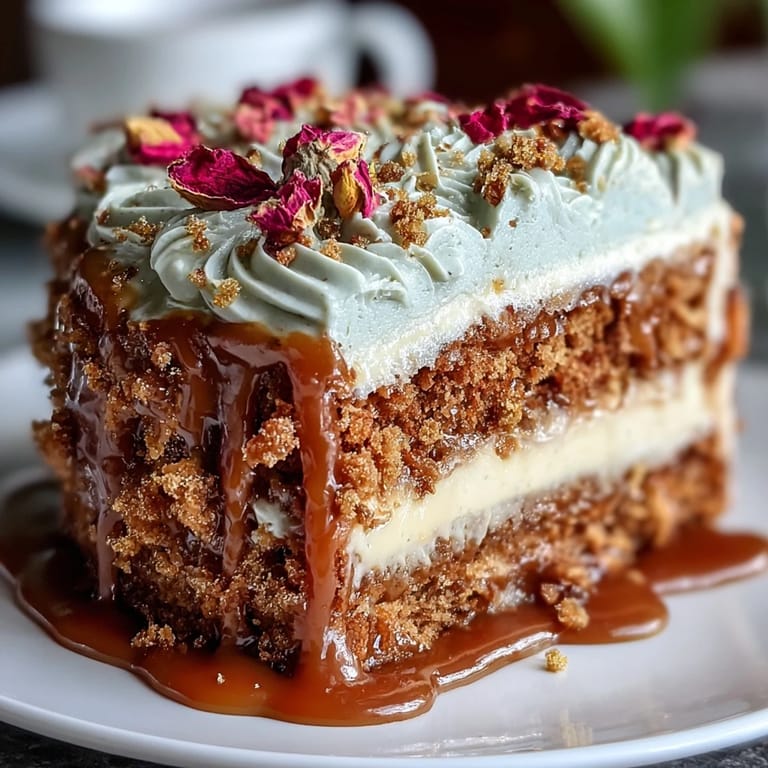
- Stack cakes with buttercream between each layer; frost the outside in swirling colors, then chill until just set.
- Decorate:
- Arrange edible flowers, herbs, and a dusting of gold; step back and enjoy the jewel-like finish before you slice.
 Save to Pinterest
  Save to Pinterest
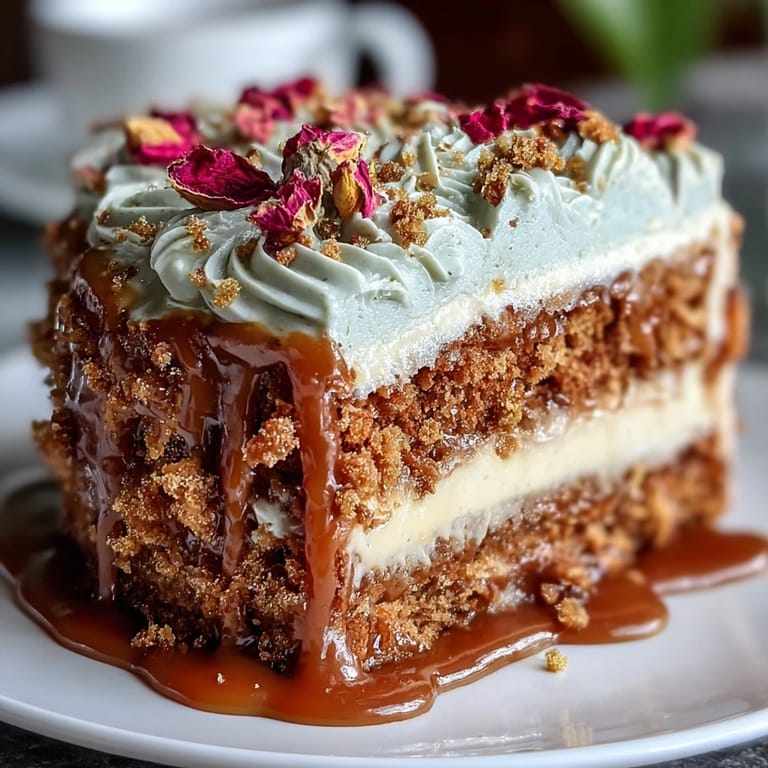
 When I brought this cake to a friend’s birthday picnic, everyone kept pausing mid-conversation to admire not just the colors, but each bite’s perfume of butterscotch and flowers. That gathering made me realize how a homemade cake can become a centerpiece almost by accident.
Choosing Your Earth-Tone Color Palette
Natural colorants make each cake unique—matcha for sage green, beet powder for blush pink, and a dab of cocoa for russet browns. I usually mix tiny test swirls in a ramekin to gauge brightness before tinting my main batch, since these powders bloom with time. If you want vibrant hues, add the colorants sparingly and let them sit for several minutes before adjusting. Too much turmeric can be unexpectedly spicy, so taste along the way. With edible flowers, match your buttercream tones for a harmonious, earthy vibe.
Adapting for Seasons and Occasions
In the spring, pansies and violets add freshness, while autumn calls for a dusting of cinnamon cocoa and deeper matcha strokes. In winter, dried rose petals and rosemary are striking against cloudlike white frosting and a gold leaf flourish. For birthdays, I layer extra herbs for a burst of fragrance as you slice. If you prefer a more mellow floral note, swap out rose water for vanilla or orange blossom. Presentation shifts easily—sometimes I assemble it directly on a cake stand for maximal drama.
Baking with Friends (or for Yourself)
Some of the best laughs have come as friends and I tried piping buttercream rosettes, only to swipe them off and start again. No cake emerges perfect, but the leaning towers and lopsided swirls taste just as magical. If the buttercream feels too soft, chill it briefly for firmer designs. And if everything goes off-script, carve rough, rustic swirls and call it artistic.
- Double-check that your edible flowers are food-safe and unsprayed.
- Have someone taste test the butterscotch sauce warm—it’s the best part.
- Don’t forget to peel the parchment from the cake bottoms before stacking.
 Save to Pinterest
  Save to Pinterest
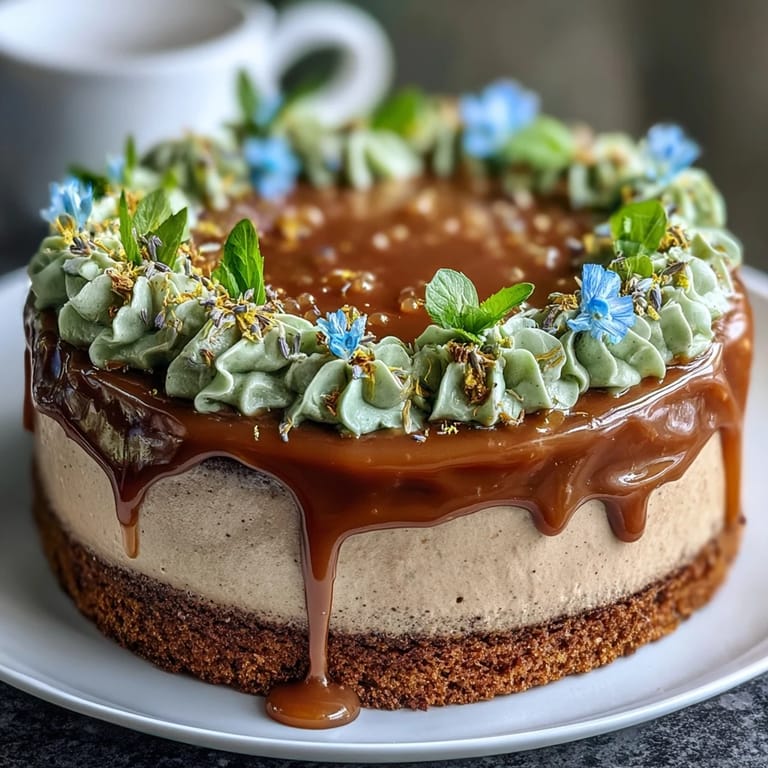
 However you finish your Taurus Cake, let it reflect a moment of fun and intention. Sharing these slices always feels like celebrating the earth, creativity, and a little bit of delicious whimsy.
Recipe FAQs
- → How do I prevent the butterscotch sauce from burning?
Cook over medium heat, stirring constantly once the sugar melts, and remove from heat as soon as the cream simmers; residual heat finishes smoothing the sauce.
- → What's the best way to tint buttercream with natural colorants?
Use concentrated powders (matcha, beet, cocoa, turmeric) in small amounts, mix thoroughly into divided portions of buttercream, and adjust gradually to reach subtle earth tones.
- → How can I keep layers moist while baking?
Do not overmix the batter, bake until a toothpick comes out clean, and cool layers in pans for 10 minutes before transferring to racks; brushing with a thin butterscotch glaze helps retain moisture.
- → Can I swap rose water for another floral note?
Yes—orange blossom water or a touch of pure vanilla offers a different floral profile; add sparingly to avoid overpowering the buttercream.
- → How should I store the finished cake?
Keep covered at room temperature for up to 3 days if not using perishable garnishes; refrigerate when using fresh flowers or in warmer climates, allowing the cake to come to room temperature before serving.
- → Any tips for decorating with edible flowers and herbs?
Use pesticide-free, food-safe flowers and herbs, place them just before serving to preserve freshness, and combine small clusters with herb sprigs for a natural, grounded look.