 Save to Pinterest
 There's something about the smell of chicken hitting hot oil that instantly takes me back to summer afternoons at my aunt's place, where she'd fry up batch after batch of these golden strips while we kids waited impatiently by the kitchen counter. She taught me that the secret wasn't fancy technique—it was respecting three simple things: buttermilk, panko, and heat. When I started making them myself, I realized how forgiving this recipe actually is, and how quickly it became the dish I'd make when I wanted everyone at the table to be genuinely happy. Now it's my go-to when I need something that feels homemade but doesn't demand much from the kitchen.
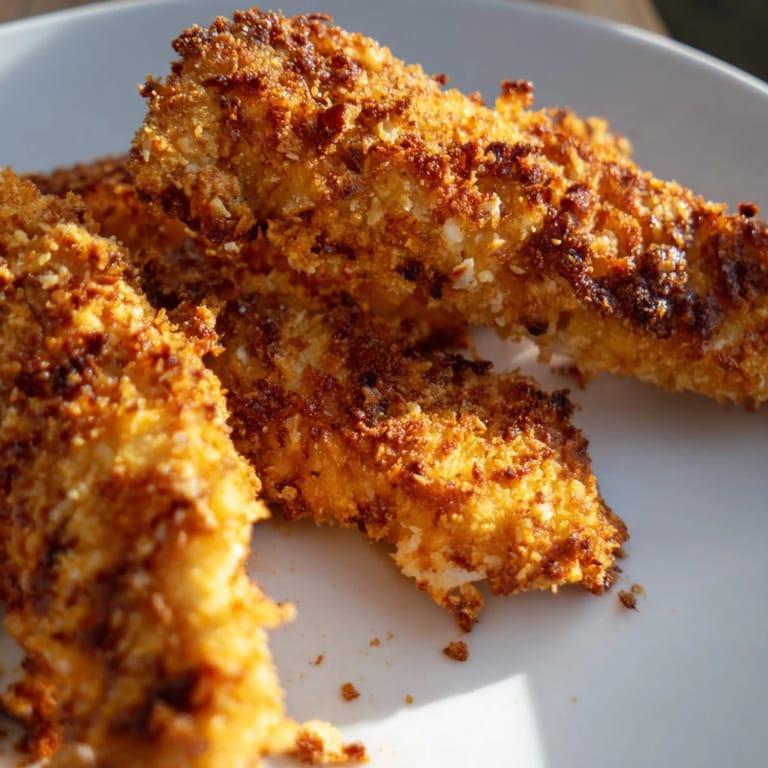
I remember my partner's face the first time I made these for dinner—she wasn't expecting much, but when she bit into one and found that perfect contrast between the golden crust and the juicy chicken inside, she actually closed her eyes for a second. It was the kind of small kitchen victory that reminds you why cooking at home matters. Since then, they've shown up at picnics, lazy weeknight dinners, and even cold from the fridge the next morning.
Ingredients
- Chicken breast fillets: Cut into even strips so they cook at the same pace—thick ends cook slower than thin ones, and you'll notice the difference.
- Buttermilk: This is the magic ingredient that keeps chicken from drying out; regular milk won't give you the same tenderizing effect.
- Salt and pepper: Use these in both the marinade and breading to build layers of flavor, not just one flat seasoning.
- Garlic powder and paprika: The marinade spices are subtle—they're there to deepen flavor, not dominate it.
- All-purpose flour: A thin flour layer helps the egg adhere better and creates that first crispy barrier.
- Panko breadcrumbs: Bigger flakes than regular breadcrumbs mean more surface area for crunch.
- Eggs: These are your adhesive—beat them until they're uniform so every strip gets coated evenly.
- Vegetable oil: You need enough to submerge the strips; shallow frying gives you uneven browning.
Tired of Takeout? 🥡
Get 10 meals you can make faster than delivery arrives. Seriously.
One email. No spam. Unsubscribe anytime.
Instructions
- Mix the marinade:
- Whisk buttermilk with salt, pepper, garlic powder, and paprika in a bowl—you'll notice how the spices float on top at first, then sink in. Add your chicken strips and make sure they're fully submerged; even one corner left exposed will dry out faster.
- Let it soak:
- At least 30 minutes is fine, but if you have time, refrigerate for an hour or two—the buttermilk will work deeper into the meat, and you'll taste the difference.
- Set up your breading station:
- Three bowls in a line: flour mixed with salt, pepper, and smoked paprika in the first; beaten eggs in the second; panko in the third. This rhythm becomes automatic after a few times.
- Bread each strip:
- Pull a chicken strip from the marinade and let excess buttermilk drip off for a second—too much liquid and your flour gets soggy. Dredge in flour, shake off the excess, dip in egg, then roll in panko until fully coated.
- Heat your oil:
- Get it to 175°C (350°F)—use a thermometer the first time so you know what it actually feels like. Too cool and the chicken absorbs oil; too hot and the outside burns before the inside cooks.
- Fry in batches:
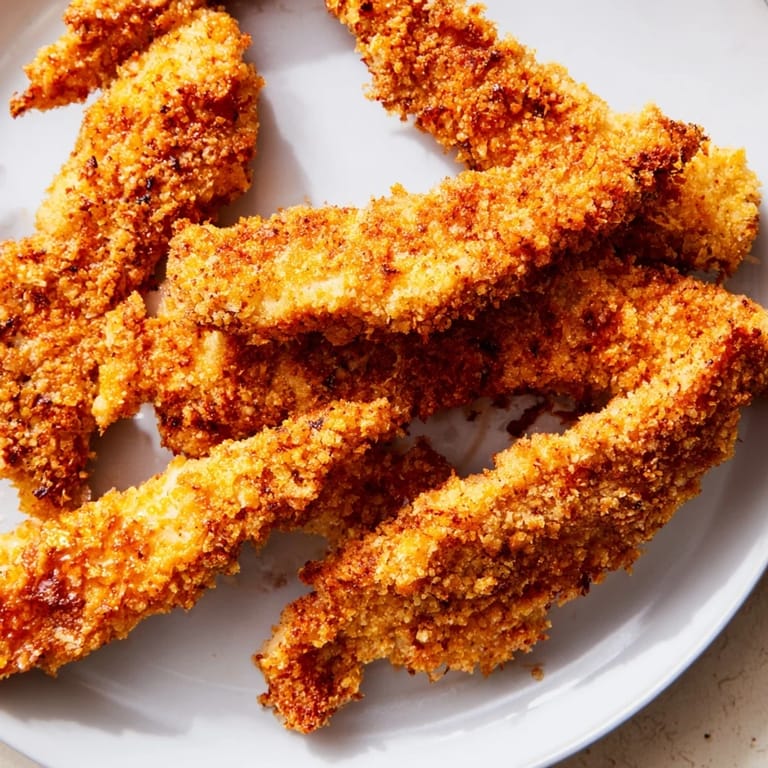
- Don't crowd the pan; each strip needs space or they'll steam instead of fry. They'll take about 3–4 minutes per side until golden brown and cooked through—the color is your best guide.
- Drain and serve:
- A wire rack is better than paper towels if you have one, because it lets air circulate underneath. Serve them hot with whatever sauce you're in the mood for.
 Save to Pinterest
 What keeps me making this dish over and over is how it brings people together without any fussing—there's something deeply satisfying about serving something hot and crispy that everyone actually wants to eat. It's become the recipe I reach for when I want to cook something that feels both simple and special.
Why Buttermilk Works Better Than You'd Think
The first time I used buttermilk instead of regular milk, I didn't expect much difference, but the acid in it actually breaks down the protein fibers in chicken, making them tender in a way that plain milk never could. It's not a dramatic effect—you're not getting restaurant-level sophistication—but it's enough that once you try it this way, going back to non-marinated chicken feels like skipping an important step. The buttermilk also adds a subtle tang that cuts through the richness of the fried coating.
The Three-Bowl Method Explained
Some recipes skip the flour and go straight from egg to breadcrumbs, but that flour layer does something important—it creates a barrier that helps the panko stick better and gives you a crispy shell underneath the crunch. It might seem fussy when you're setting it up, but once you're in the rhythm of dredging, it becomes second nature, and the results speak for themselves.
Serving and Storing
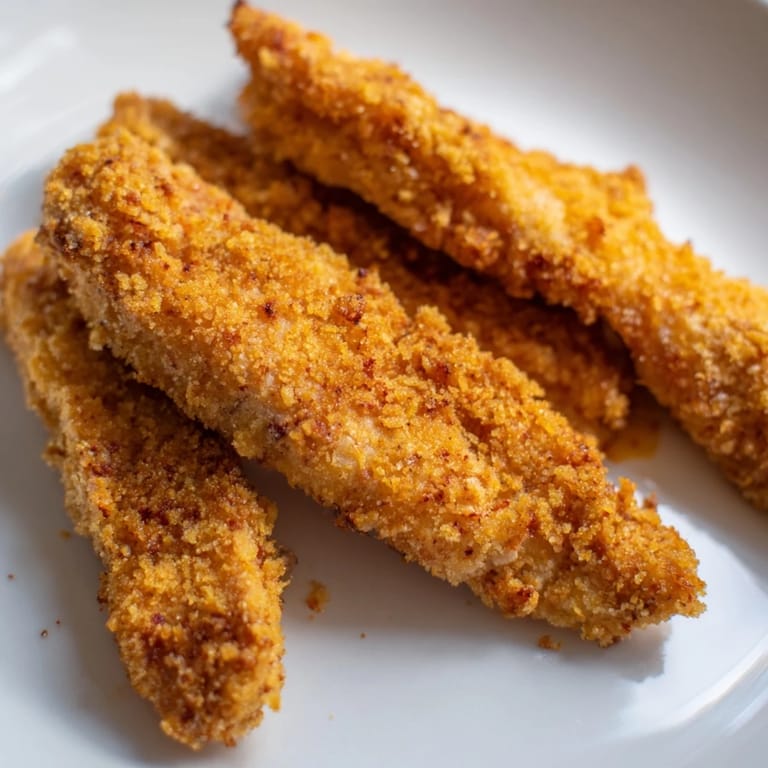
These are best eaten hot, but they're honestly still good at room temperature, which makes them perfect for packing in a lunchbox the next day. They also freeze beautifully after frying if you want to make a big batch—just reheat in a 180°C (350°F) oven for about 8 minutes to bring back the crispness.
- Pair them with barbecue sauce for something classic, or honey-mustard if you want a touch of sweetness.
- Serve alongside coleslaw or a simple salad to balance the richness.
- Try them with ranch dip if you're in the mood for something creamy and different.
 Save to Pinterest
 This recipe has a way of making cooking feel easy and worthwhile at the same time. Once you've made it once, you'll find yourself making it again.