 Save to Pinterest
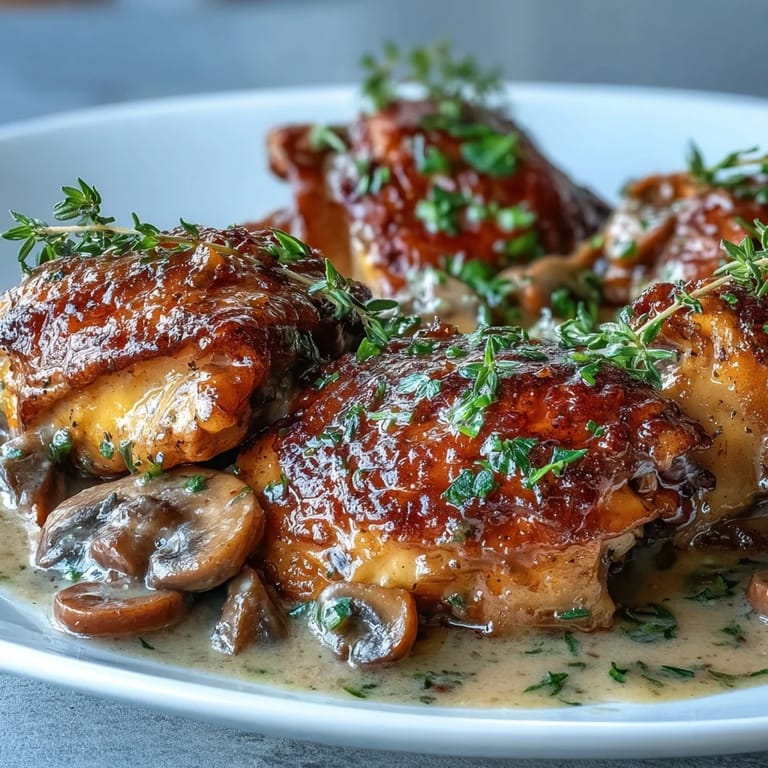
 My neighbor handed me a bottle of rosé one spring evening, half-joking that it was too pretty to drink alone. I had chicken thawing and a handful of mushrooms going soft, so I did what felt right: I tossed it all into my heaviest pot with some cream and thyme. An hour later, the kitchen smelled like a bistro I'd never been to, and the sauce had turned this beautiful blush pink that made me forget I was just using up leftovers.
I made this for a small dinner party once, and everyone got quiet when I brought the pot to the table. It wasn't because the dish was perfect, it was because the color caught the candlelight and made the whole thing look like something from a cookbook I'd never have the courage to open. One friend asked if I'd trained in France, and I just laughed and said I'd trained in panic and rosé.
Ingredients
- Bone-in, skin-on chicken pieces: Thighs and drumsticks stay juicy and actually improve as they braise, plus the bones add body to the sauce you can't fake with breasts.
- Dry rosé wine: The backbone of the whole dish, choose something you'd drink on its own because cooking won't hide a bad bottle, just concentrate it.
- Olive oil: Used for browning, it can take the heat better than butter and won't burn while you're getting that golden crust on the chicken.
- Onion, garlic, carrots, leek: The aromatic base that sweetens and deepens as it cooks down into the wine, giving the sauce a gentle backbone.
- Cremini or button mushrooms: They soak up the rosé and release earthy flavor back into the pot, quartering them gives you the right texture in every bite.
- Tomato paste: Just two tablespoons add a subtle richness and help the sauce cling to the chicken without tasting like tomato.
- All-purpose flour: Optional but helpful if you want a thicker, more velvety sauce that coats the back of a spoon.
- Heavy cream: Stirred in at the end, it mellows the wine's acidity and turns the sauce into something you'll want to soak up with bread.
- Bay leaf, thyme, rosemary: Classic French herbs that perfume the pot as it simmers, pull them out before serving or you'll be fishing sprigs out of bowls.
- Salt and black pepper: Season in layers, at the start and again at the end, because the wine and cream will dull your initial seasoning as they reduce.
- Fresh parsley: A handful of green at the end brightens the whole plate and makes it look like you care, which you do.
Tired of Takeout? 🥡
Get 10 meals you can make faster than delivery arrives. Seriously.
One email. No spam. Unsubscribe anytime.
Instructions
- Season and Prep the Chicken:
- Pat the chicken completely dry with paper towels so it browns instead of steams, then season generously with salt and pepper on all sides. Wet chicken will never get that deep golden crust you're hoping for.
- Brown the Chicken in Batches:
- Heat olive oil in your Dutch oven over medium-high heat and brown the chicken pieces in batches, about 5 minutes per batch, resisting the urge to crowd the pot. Set the browned chicken aside on a plate and don't worry if it's not cooked through, it will finish later.
- Sauté the Vegetables:
- In the same pot with all those browned bits, add the onions, carrots, and leek, stirring for 4 to 5 minutes until they soften and start to smell sweet. Toss in the mushrooms and cook another 3 minutes until they release their moisture and shrink down.
- Add Garlic and Tomato Paste:
- Stir in the minced garlic and cook for just 1 minute until fragrant, then add the tomato paste and cook another minute, stirring constantly so it caramelizes without burning. This step deepens the color and flavor of your final sauce.
- Thicken with Flour:
- If you want a thicker sauce, sprinkle the flour over the vegetables and stir to coat everything evenly. Let it cook for a minute so the raw flour taste disappears.
- Deglaze with Rosé:
- Pour in the rosé wine and use a wooden spoon to scrape up all the browned bits stuck to the bottom of the pot, that's where the flavor lives. Nestle the browned chicken back into the pot and tuck in the bay leaf, thyme, and rosemary.
- Simmer Until Tender:
- Bring everything to a gentle simmer, cover the pot, and reduce the heat to low, letting it cook for 45 minutes until the chicken is fall-apart tender. Check occasionally to make sure it's bubbling softly, not boiling hard.
- Finish with Cream:
- Remove the herb sprigs and bay leaf, then stir in the heavy cream and let the sauce simmer uncovered for 5 to 10 minutes until it thickens slightly and turns glossy. Taste and adjust the salt and pepper now, because this is your last chance.
- Garnish and Serve:
- Spoon the chicken and sauce onto plates or a serving platter and scatter fresh parsley over the top. Serve it with something that can soak up the sauce, like buttered potatoes or crusty bread.
 Save to Pinterest
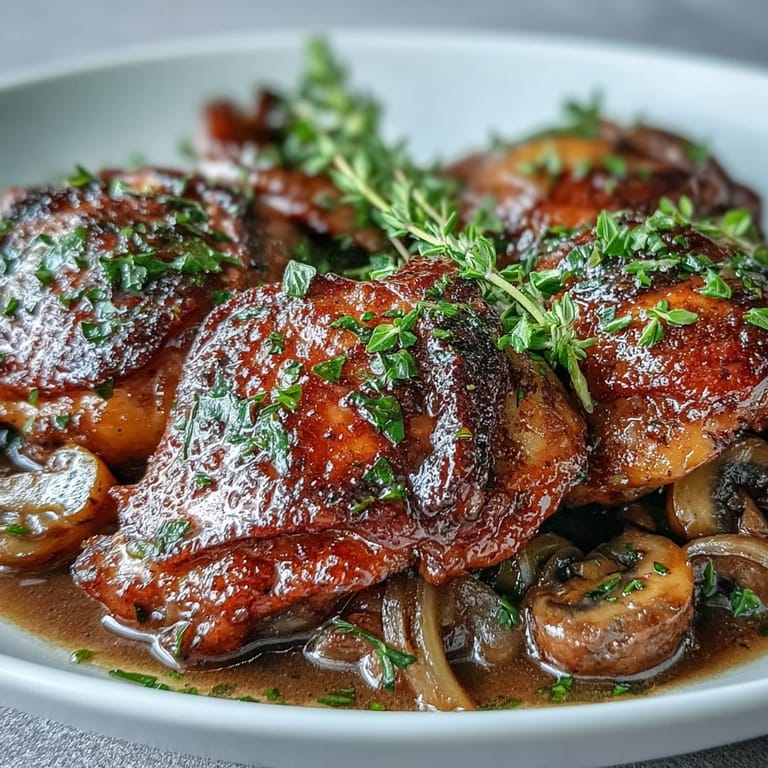
 The first time I served this, my dad looked at the pale pink sauce and hesitated for just a second before taking a bite. Then he went back for thirds and asked if I could make it for his birthday, which is the highest compliment he's ever given anything I've cooked. It stopped being just a recipe that night and became the dish I make when I want someone to feel cared for.
What to Serve Alongside
This sauce begs for something starchy and absorbent, so I usually go with buttered new potatoes or a pile of creamy mashed potatoes that can catch every drop. Crusty bread works too, especially if you're the kind of person who shamelessly wipes their plate clean. A simple green salad with a sharp vinaigrette cuts through the richness and makes the whole meal feel balanced instead of heavy.
How to Store and Reheat
Leftovers keep in an airtight container in the fridge for up to three days, and honestly, they taste even better the second day when the flavors have melded. Reheat gently on the stovetop over low heat, adding a splash of chicken stock or water if the sauce has thickened too much. Don't microwave it if you can help it, the cream can split and the chicken dries out in uneven patches.
Make It Your Own
If you want more depth, add a splash of cognac or brandy right after you deglaze with the wine, it brings a warmth that makes the dish feel like a special occasion. You can swap half the rosé for chicken stock if the wine flavor feels too strong, or use crème fraîche instead of heavy cream for a tangy finish. I've also stirred in a handful of crispy bacon or pancetta at the end when I'm feeling indulgent, and no one has ever complained.
- Try adding pearl onions in the last 20 minutes of cooking for a more traditional coq au vin look.
- Swap the rosemary for tarragon if you want a more delicate, anise-like flavor that pairs beautifully with the rosé.
- For a weeknight shortcut, use boneless thighs and cut the simmering time to 25 minutes, though you'll lose some of the sauce's body.
 Save to Pinterest
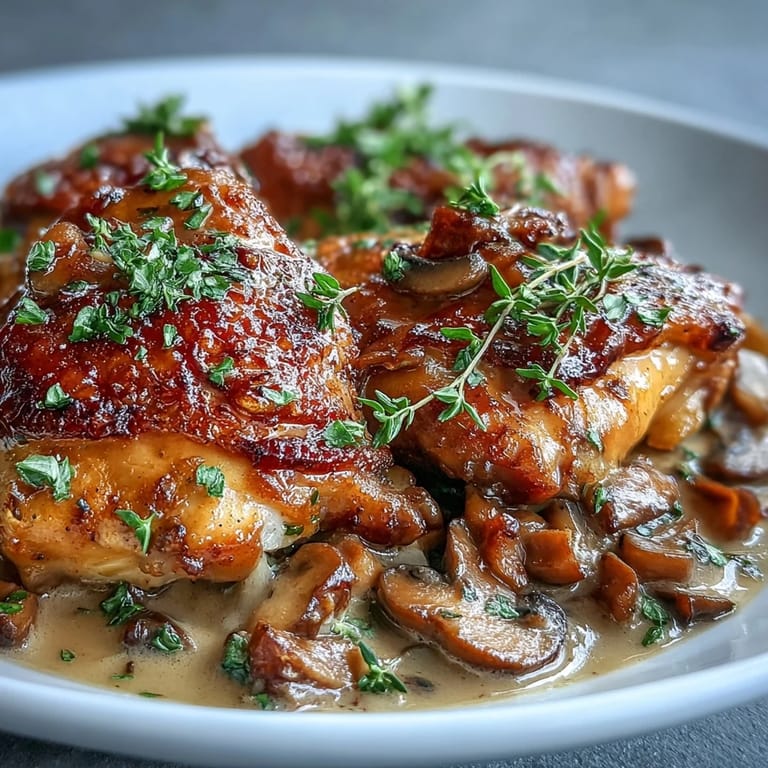
 This is the kind of dish that makes your kitchen smell like you know what you're doing, even if you're winging it. I hope it becomes one of those recipes you reach for when you want to feel like a better cook than you were yesterday.
Recipe FAQs
- → Can I use chicken breasts instead of thighs and drumsticks?
While you can use chicken breasts, thighs and drumsticks are recommended because they remain tender and juicy during the longer braising time. Breasts may become dry if overcooked.
- → What type of rosé wine should I use?
Choose a dry rosé wine with good acidity. Avoid sweet or fruity rosés. A Provence-style rosé or any dry pink wine you would enjoy drinking works perfectly for this dish.
- → Can I make this dish ahead of time?
Yes, coq au vin actually tastes better the next day as the flavors meld together. Prepare through step 8, cool completely, refrigerate, and gently reheat before serving.
- → How do I thicken the sauce if it's too thin?
If the sauce is too thin after adding cream, continue simmering uncovered for a few more minutes. Alternatively, you can add the optional tablespoon of flour at step 5, or make a slurry with cornstarch and water.
- → What should I serve with coq au vin rosé?
This dish pairs beautifully with buttered boiled potatoes, creamy mashed potatoes, crusty French bread, or fluffy white rice. The starch helps soak up the delicious wine and cream sauce.
- → Can I substitute the heavy cream with something lighter?
Yes, you can use half-and-half or crème fraîche for a lighter version. The sauce will be slightly less rich but still delicious. Avoid using milk as it may curdle in the acidic wine.