 Save to Pinterest
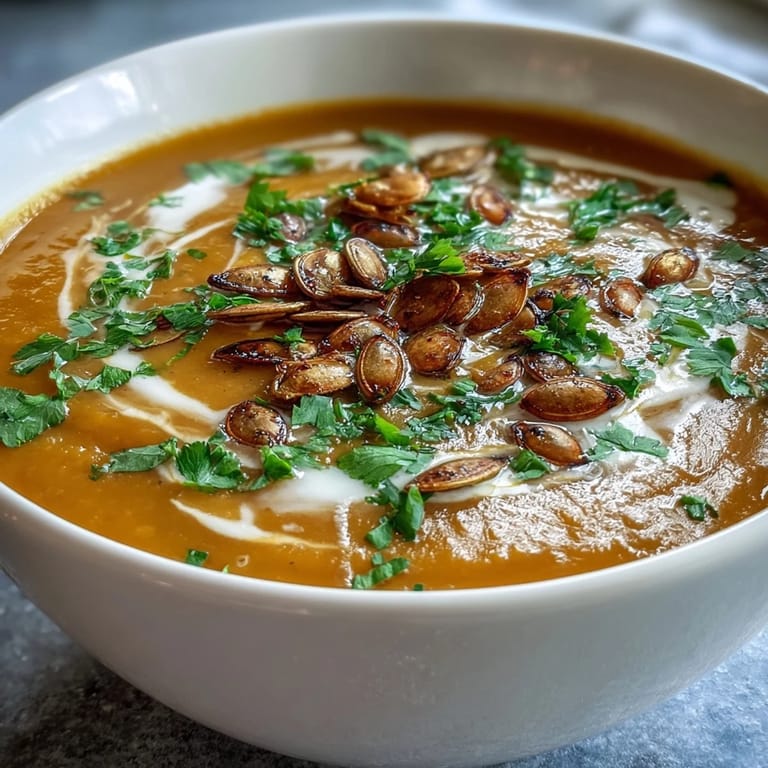
 When the cold wind begins to bite, there is nothing quite as restorative as a steaming bowl of homemade butternut squash soup. This velvety, warming recipe combines the earthy sweetness of roasted squash with the subtle heat of cumin and the aromatic warmth of nutmeg. It is more than just a meal; it is a bowl of pure comfort designed for winter wellness.
Save to Pinterest The beauty of this dish lies in its simplicity and the way it fills your kitchen with the scent of autumn spices. Whether you are looking for a light lunch or an elegant starter for a festive dinner, this soup delivers a silky texture that feels truly indulgent.
Ingredients
Tired of Takeout? 🥡
Get 10 meals you can make faster than delivery arrives. Seriously.
One email. No spam. Unsubscribe anytime.
- 1 medium butternut squash (about 1.2 kg), peeled, seeded, and diced
- 1 large onion, chopped
- 2 medium carrots, peeled and chopped
- 2 cloves garlic, minced
- 800 ml vegetable stock
- 200 ml coconut milk (or heavy cream for a richer version)
- 2 tbsp olive oil
- 1/2 tsp ground cumin
- 1/4 tsp ground nutmeg
- Salt and black pepper, to taste
- Fresh parsley or coriander, chopped (for garnish)
- Toasted pumpkin seeds (for garnish)
- A swirl of coconut milk or cream (for garnish)
Instructions
- 1. Oven Preparation
- Preheat the oven to 200°C (400°F).
- 2. Roast the Squash
- Toss the diced butternut squash with 1 tablespoon olive oil, salt, and pepper. Spread on a baking tray and roast for 25 minutes, until golden and tender.
- 3. Sauté Aromatics
- Meanwhile, heat the remaining olive oil in a large pot over medium heat. Add onion and carrots; sauté for 5–7 minutes until softened.
- 4. Add Spices
- Add garlic, cumin, and nutmeg; cook for 1 minute until fragrant.
- 5. Simmer
- Add the roasted squash to the pot. Pour in the vegetable stock, bring to a boil, then reduce heat and simmer for 10 minutes.
- 6. Blend to Smoothness
- Remove from heat. Using an immersion blender (or carefully in batches with a regular blender), purée the soup until silky smooth.
- 7. Final Seasoning
- Stir in coconut milk (or cream), heat gently, and adjust seasoning with salt and pepper.
- 8. Garnish and Serve
- Ladle into bowls and garnish with fresh herbs, pumpkin seeds, and a swirl of coconut milk or cream, if desired.
Zusatztipps für die Zubereitung
To achieve the best results, ensure you have a sharp chef's knife for dicing the squash and a sturdy baking tray for roasting. Using an immersion blender directly in the pot makes the process much easier, but a standard blender works just as well if you work in small, careful batches to avoid splashes.
Varianten und Anpassungen
For those who enjoy a bit of heat, add a pinch of chili flakes while sautéing the onions. If you prefer a more traditional dairy flavor, simply swap the coconut milk for heavy cream. Always double-check your vegetable stock to ensure it meets your specific allergen or gluten-free requirements.
Serviervorschläge
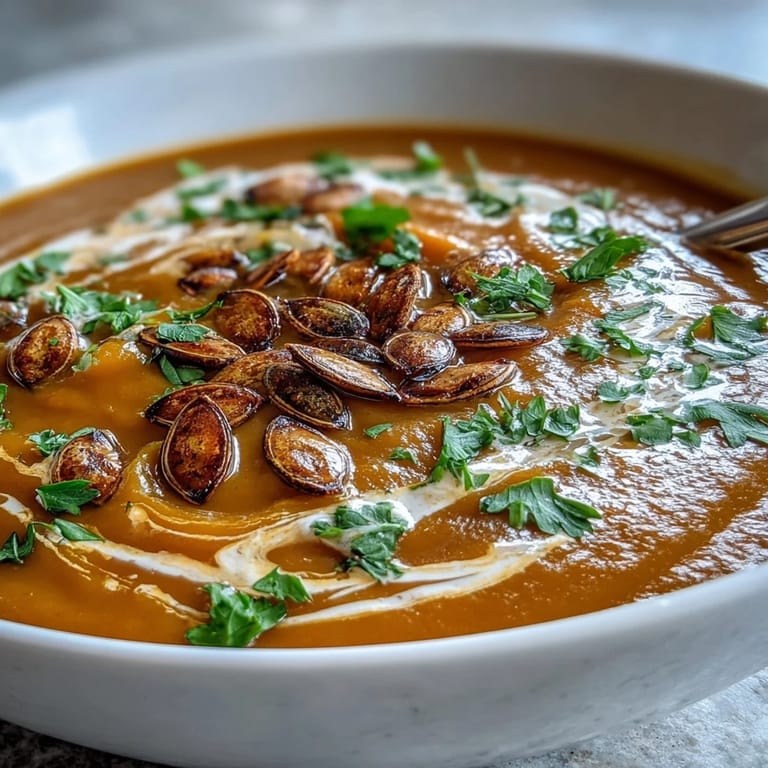
This soup is best enjoyed alongside a slice of warm, crusty bread for dipping. It also functions beautifully as a sophisticated starter for a winter holiday meal. Don't forget the toasted pumpkin seeds—they provide a vital crunch that contrasts perfectly with the creamy base.
 Save to Pinterest
 Gather your loved ones and share a pot of this golden, velvety goodness. It is the ultimate way to embrace the season's harvest while staying healthy and satisfied.
Recipe FAQs
- → Can I make this ahead of time?
Absolutely. This bowl actually develops deeper flavors when made a day ahead. Store in an airtight container in the refrigerator for up to 4 days. Reheat gently over medium-low heat, adding a splash of liquid if needed.
- → Is this suitable for freezing?
Yes, freeze cooled portions in freezer-safe containers for up to 3 months. Thaw overnight in the refrigerator before reheating. The texture remains perfectly silky after thawing.
- → What can I use instead of coconut milk?
Heavy cream creates an even richer version, while half-and-half offers a lighter alternative. For dairy-free options, try cashew cream or additional vegetable stock for a thinner consistency.
- → Do I have to roast the squash first?
While you can simmer raw squash directly in the pot, roasting first concentrates the natural sugars and adds caramelized depth. This extra step transforms a simple preparation into something extraordinary.
- → How can I make this more filling?
Serve with crusty bread for dipping, or add protein like shredded chicken, white beans, or lentils during the simmering stage. A dollop of Greek yogurt on top also adds substance.
- → Can I use other winter squashes?
Acorn squash, kabocha, or pumpkin work beautifully here. Adjust roasting times slightly as different squashes vary in density. The same aromatic vegetables and spices complement all varieties.