 Save to Pinterest
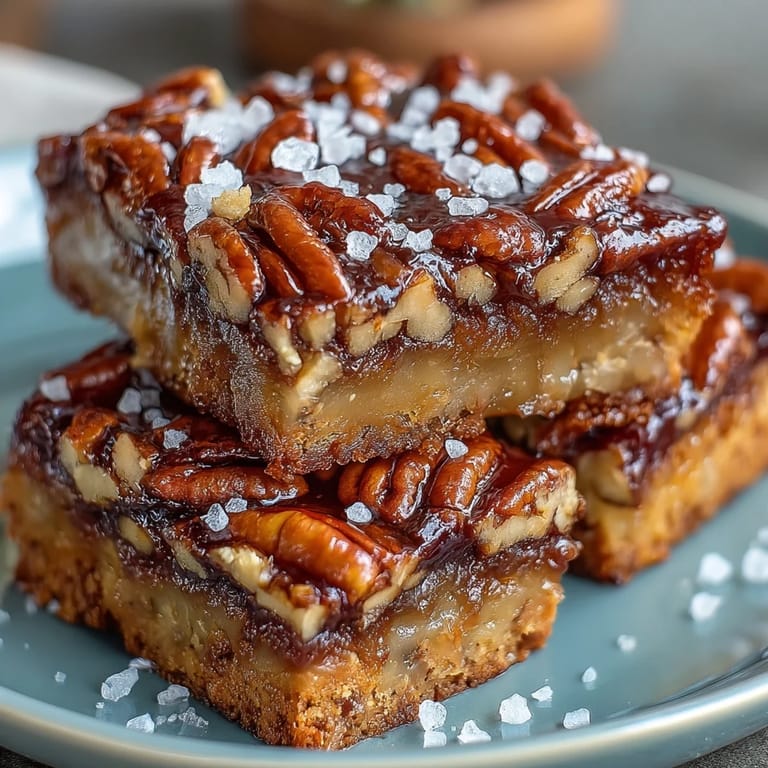
 There's a particular moment in my kitchen when brown butter stops being just melted butter and becomes something entirely different—when it shifts from pale and timid to golden and assertive, filling the air with a nutty fragrance that makes you pause whatever you're doing. That's exactly when I knew these butter pecan cookies needed to exist. The idea came to me while standing over a saucepan, watching the milk solids dance and darken, and I thought: what if I built an entire cookie around this exact flavor? What if I let that deep, toasted nuttiness be the star, backed up by pecans and finished with a whisper of sea salt?
I made these for a small gathering last October, and honestly, I was nervous about overseasoning them with that finishing salt. But watching everyone reach for a second cookie while barely commenting on anything else I'd made that day told me something important: sometimes the simplest additions create the most memorable bites. One guest asked if the salt was actually there or if she was imagining it, which felt like the highest compliment.
Ingredients
- Unsalted butter (1 cup): This is your foundation—you need unsalted so you control every pinch of salt that goes into the dough, and later on the top.
- All-purpose flour (2 1/4 cups): Don't sift it obsessively; a gentle stir in the bag and a level scoop is perfectly fine for tender cookies.
- Baking soda (1 teaspoon): This helps the cookies spread slightly and turn golden at the edges while staying soft inside.
- Fine sea salt (1/2 teaspoon): The unsung hero that balances sweetness without announcing itself.
- Packed light brown sugar (1 cup): The molasses in brown sugar gives these cookies their warmth and moisture—don't skip the packing step.
- Granulated sugar (1/2 cup): This brings crispness to the edges while the brown sugar keeps the centers tender.
- Eggs (2 large, room temperature): Cold eggs don't incorporate as smoothly, so pull them out 15 minutes before you start.
- Vanilla extract (2 teaspoons): Pure extract matters here because its subtlety won't fight with the brown butter.
- Pecan halves (1 1/2 cups, toasted and chopped): Toasting them first intensifies their flavor and prevents them from tasting raw or bitter after baking.
- Flaky sea salt (for finishing): Maldon salt is traditional, but any flaky sea salt works—the grain size is what matters, not the brand.
Tired of Takeout? 🥡
Get 10 meals you can make faster than delivery arrives. Seriously.
One email. No spam. Unsubscribe anytime.
Instructions
- Brown that butter until it smells like hazelnuts:
- Heat the butter in a medium saucepan over medium heat, swirling often so it browns evenly. Around 5–7 minutes in, it'll go from bubbling to foaming to a gorgeous golden color with dark specks at the bottom. You'll know it's ready when the aroma is unmistakably nutty—not burnt, just deeply caramelized. Pour it into your mixing bowl and let it cool for 10 minutes while you handle the next steps.
- Toast the pecans while butter cools:
- Spread them on a baking sheet and slide it into a 350°F oven for 6–8 minutes, stirring halfway through. They'll go from pale to fragrant and slightly darker—that's your cue. Once they cool enough to handle, chop them into uneven pieces so they have texture in every bite.
- Combine brown butter with both sugars:
- The cooled butter should be in your large mixing bowl. Add the brown and granulated sugars and beat them together until the mixture looks like wet sand—this takes about 2–3 minutes with an electric mixer or a couple of minutes longer by hand. Don't worry if it looks a bit grainy.
- Introduce the eggs one at a time:
- Add the first egg, beat until it disappears into the butter mixture, then add the second and repeat. This ensures they incorporate smoothly instead of sitting in little puddles. Stir in the vanilla extract after the second egg is fully blended.
- Bring together dry and wet ingredients:
- In a separate bowl, whisk the flour, baking soda, and fine sea salt. Pour the dry mixture into the wet ingredients and stir gently until just combined—stop as soon as you don't see streaks of flour anymore. Fold in those toasted pecans with a few final turns of the spatula.
- Shape and sprinkle with finishing salt:
- Line your baking sheets with parchment paper. Scoop the dough into rough 2-tablespoon mounds, leaving about 2 inches between each one. Sprinkle a tiny pinch of flaky sea salt on top of each mound—less than you think you need, because it concentrates during baking.
- Bake until edges turn golden:
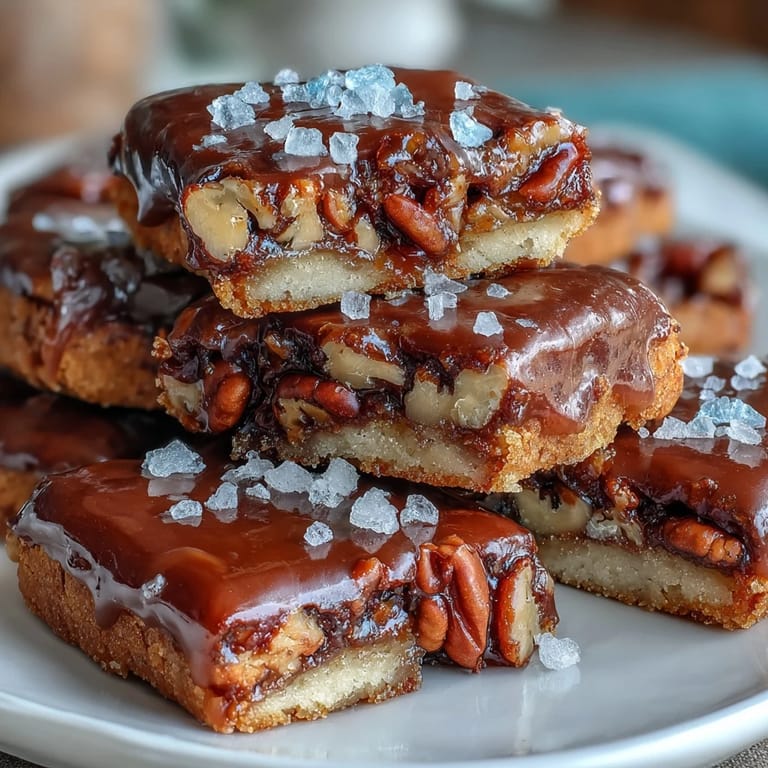
- Slide into the preheated 350°F oven for 12–14 minutes. The edges should be visibly golden while the centers still look slightly underdone—they'll continue cooking on the hot baking sheet. Let them sit on the sheet for 5 minutes, then transfer to a wire rack to cool completely.
 Save to Pinterest
 What struck me most about these cookies wasn't their flavor at first—it was how they changed a quiet Tuesday evening into something worth savoring. There's something about a truly good cookie that makes you slow down, pour real coffee or milk, and actually sit with it instead of eating standing up at the counter.
The Magic of Brown Butter in Baking
Brown butter is one of those techniques that sounds fancy but is genuinely just patience. The milk solids in butter separate when heated, and as they continue cooking, they caramelize and develop this toasty, almost hazelnut-like depth. It's the difference between a simple butter cookie and one that tastes like it spent an afternoon in a patisserie. Once you've made brown butter once, you'll find yourself adding it to everything—shortbreads, blondies, even scrambled eggs.
Why Toasting Pecans Makes a Difference
Raw pecans taste fine, but toasted pecans taste alive. The heat draws out their oils and concentrates their flavor, so they don't disappear into the cookie—they become a feature. Toasting them separately before mixing into the dough also means you control the level of toastiness and prevent any raw-tasting nuts from sneaking into a batch. It's a small step that takes maybe 10 minutes and makes the entire cookie taste more intentional.
The Salt Game That Changes Everything
Using both fine sea salt in the dough and flaky sea salt on top creates a layered seasoning strategy. The fine salt dissolves and balances the sweetness throughout, while the flaky salt on top provides a textural surprise and a visual reminder that these aren't just another sugar cookie. The first time you taste that salt crystal hit your tongue, you'll understand why this small detail matters. It's the kind of touch that separates a good cookie from one people actually remember.
- Don't use regular table salt for finishing—it dissolves immediately and tastes metallic.
- A light hand with the finishing salt is better than oversalting; you can always add more, but you can't take it back.
- Keep a tiny bowl of flaky salt near your workspace when shaping cookies so it's easy to reach.
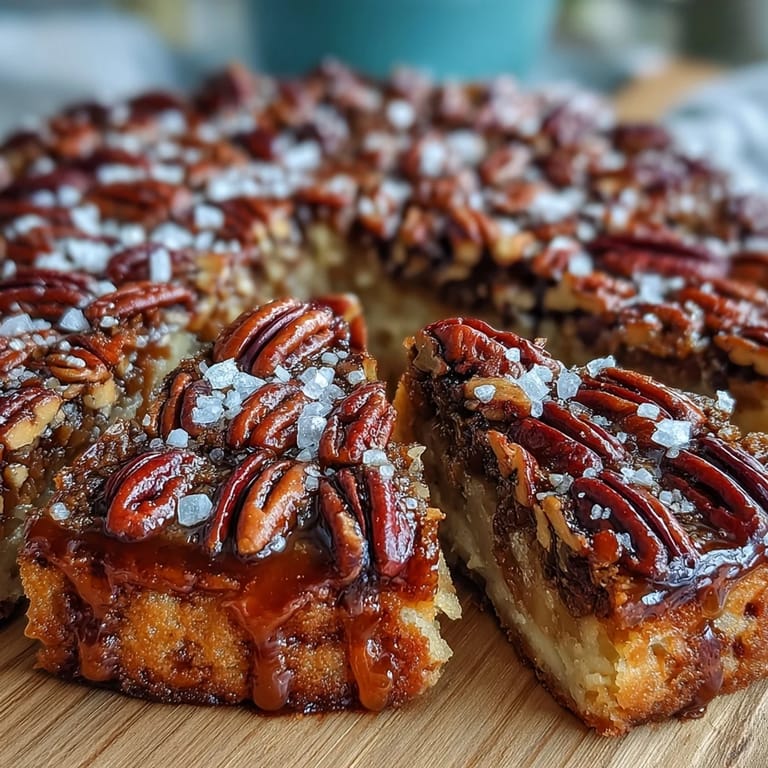 Save to Pinterest
 These cookies exist somewhere between indulgent and restrained, between richness and simplicity. Make them when you want to feel like you've done something meaningful without spending hours in the kitchen.
Recipe FAQs
- → Why is brown butter used in these cookies?
Brown butter adds a deep, nutty flavor and richness that enhances the overall taste of the cookies, creating a warm, caramel-like aroma.
- → How do toasted pecans affect the final texture?
Toasting pecans brings out their natural oils and crunch, adding a pleasant texture contrast and intensified nutty flavor in every bite.
- → What is the purpose of the flaky sea salt topping?
The flaky sea salt provides a subtle savory balance to the sweet dough and adds a delicate crunch on top of each cookie.
- → Can I prepare the dough ahead of time?
Yes, chilling the dough for 1–2 hours before baking enhances flavor and results in a better texture during baking.
- → How do I know when the cookies are perfectly baked?
Look for golden edges and centers that appear just set but not overbaked for a tender, chewy texture.