 Save to Pinterest
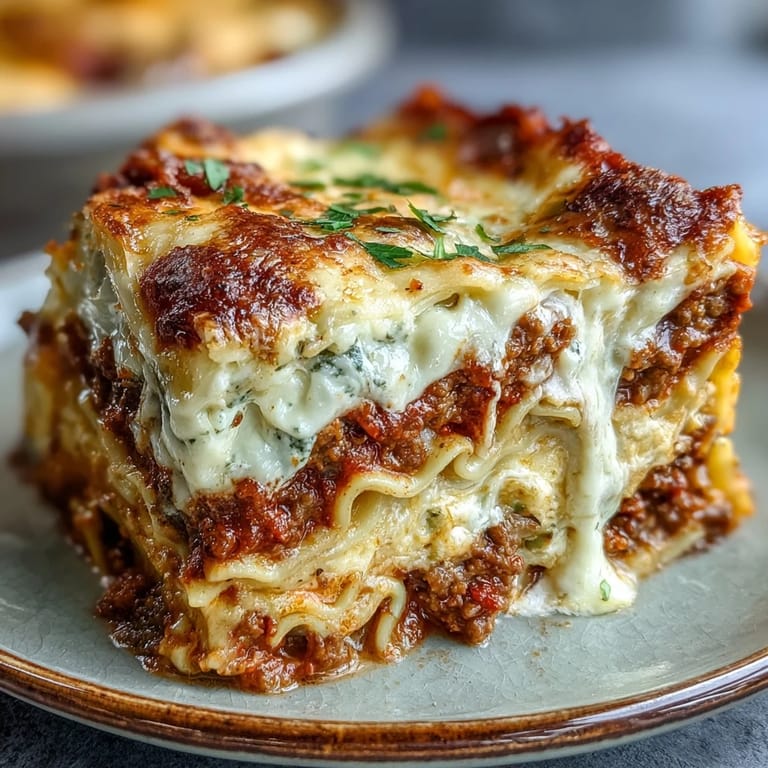
 My neighbor Marco once told me that lasagna isn't really about following rules—it's about understanding the conversation between meat, cheese, and pasta. That stuck with me one Sunday afternoon when I decided to stop overthinking and just build layers with confidence. The kitchen filled with that unmistakable smell of garlic hitting hot oil, then the deeper aroma of browning sausage, and I realized he was right. This isn't a dish that punishes creativity; it rewards it. What emerged from my oven was exactly what I'd been craving: tender noodles, rich sauce, creamy pockets of ricotta, and enough melted cheese to make anyone at the table smile.
I made this for a dinner party last fall when three friends showed up unannounced on my doorstep around 4 PM. Instead of panicking, I pulled ingredients from my pantry and freezer, got them chopping garlic while I browned the meat, and we all assembled the dish together, laughing at how we kept disagreeing about whether the layers were even. By 6 PM we were eating by candlelight, and nobody mentioned it was thrown together in an hour. That's when I understood the real power of lasagna—it brings people into the kitchen with you.
Ingredients
- Lasagna noodles (12 sheets, uncooked): Skip the boiling step entirely—these will soften perfectly nestled between sauce and cheese in the oven, which means less work and often better texture since they won't overcook from sitting in hot water.
- Ricotta cheese (15 oz): This is your creamy layer, the contrast that keeps every bite interesting; don't skip it or substitute heavily, as it's what makes the filling feel cloud-like against the meat sauce.
- Large egg (1): This binds the ricotta and helps it hold its structure through baking, preventing a soupy middle layer.
- Shredded mozzarella cheese (4 cups): The workhorse cheese that melts and bubbles; use whole milk mozzarella for better flavor than part-skim, unless you're watching fat intake.
- Grated Parmesan cheese (1 cup): This adds a sharper, nuttier note that balances the sweetness of marinara and the richness of mozzarella.
- Ground beef (1 lb, lean recommended): Lean beef prevents the sauce from becoming greasy, though some fat is necessary for flavor—don't go too lean or drain every bit of it.
- Italian sausage (1 lb, casing removed): This adds depth and a subtle spice that makes the sauce taste like it simmered for hours; sweet or spicy depends on your preference and who's eating.
- Marinara sauce (4 cups): Use quality sauce here since it's the backbone; homemade is wonderful but good jarred sauce saves time and honestly works beautifully.
- Garlic (4 cloves, minced): Sauté this first to bloom its flavor into the oil before the meat hits the pan—this single step elevates the entire sauce.
- Olive oil (2 tablespoons): Quality matters more than quantity; use what you trust for sautéing.
- Fresh basil (¼ cup, chopped): Add this at the end of sauce simmering so it stays bright and fresh rather than cooking into bitterness; dried basil works but fresh is worth seeking out.
- Salt and black pepper: Taste as you go; lasagna is forgiving but underseasoned meat sauce is hard to rescue.
Tired of Takeout? 🥡
Get 10 meals you can make faster than delivery arrives. Seriously.
One email. No spam. Unsubscribe anytime.
Instructions
- Heat your oven and prep:
- Get your oven to 375°F and gather everything within arm's reach—this isn't a dish where you'll want to hunt for ingredients mid-step. Have your baking dish ready and your ingredients measured or prepped.
- Build your sauce base:
- Heat oil in a large skillet over medium heat, then add your minced garlic and let it become fragrant—this takes about one minute and fills the kitchen with promise. You'll know it's ready when it smells amazing but before it starts to brown.
- Brown the meat:
- Add both ground beef and sausage to the hot pan and break it into small pieces as it cooks, which takes eight to ten minutes depending on your stove. The meat is done when there's no pink and the fat has rendered out; drain any excess fat now before moving forward.
- Finish the sauce:
- Stir in your marinara sauce, salt, pepper, and fresh basil, then let it simmer gently for ten minutes so everything becomes one cohesive, flavorful sauce rather than separate ingredients. Taste it and adjust seasoning—this sauce is your foundation.
- Make the ricotta layer:
- In a separate bowl, combine ricotta and the beaten egg, stirring until smooth and spreadable. This mixture should feel creamy, not chunky.
- Start the first layer:
- Spread a thin layer of meat sauce across the bottom of your nine-by-thirteen baking dish—think of it as glue that prevents sticking. Don't be stingy; enough sauce keeps everything from drying out.
- Build your first noodle layer:
- Lay four uncooked noodles across the sauce, slightly overlapping them so they support each other during baking. They'll seem too firm now, but the liquid in the sauce and oven steam will soften them perfectly.
- Add ricotta and cheese:
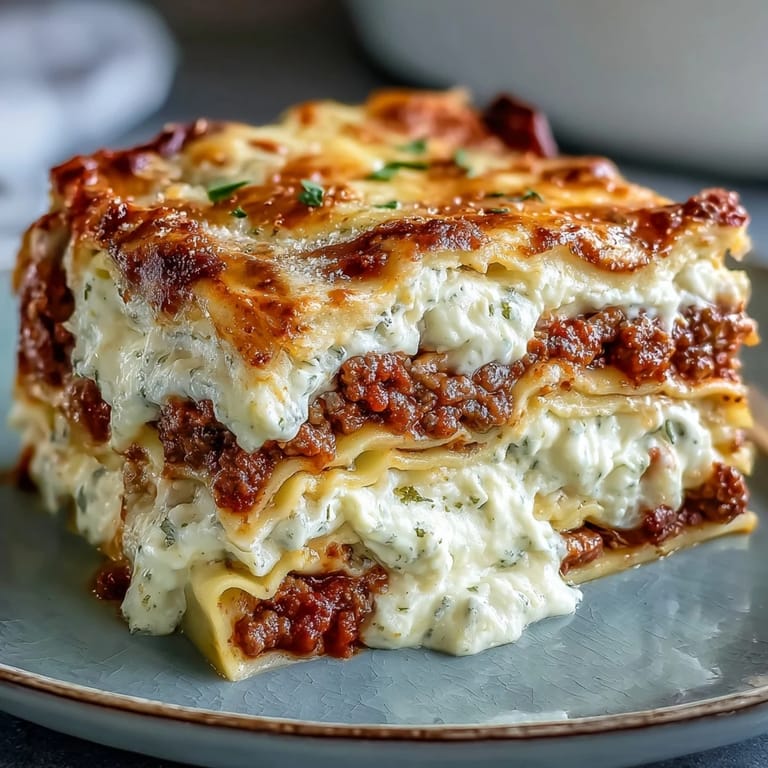
- Spread half your ricotta mixture over the noodles in an even layer, then sprinkle a third of your mozzarella on top, followed by another layer of meat sauce. Each layer should be distinct so you can see the beautiful cross-section when you slice.
- Create the middle layer:
- Repeat the noodle, ricotta, mozzarella, and sauce sequence exactly as before, building symmetry and balance into your dish. This middle layer is where lasagna shows its architecture.
- Finish with the top layer:
- Add your final four noodles, spread the remaining meat sauce over them, then top with all your remaining mozzarella and the full cup of Parmesan cheese. This top layer will turn golden and bubbly, creating that irresistible crust everyone reaches for first.
- First bake with foil:
- Cover your dish tightly with aluminum foil and bake for twenty-five minutes; the foil traps steam that gently cooks the noodles while the cheese softens without browning too fast. You won't see much action, but trust that it's working.
- Uncover and finish:
- Remove the foil and bake another fifteen minutes until the cheese on top is golden, bubbly at the edges, and starting to brown in spots. This final uncovered stage is where it transforms from cooked to gorgeous.
- Rest before serving:
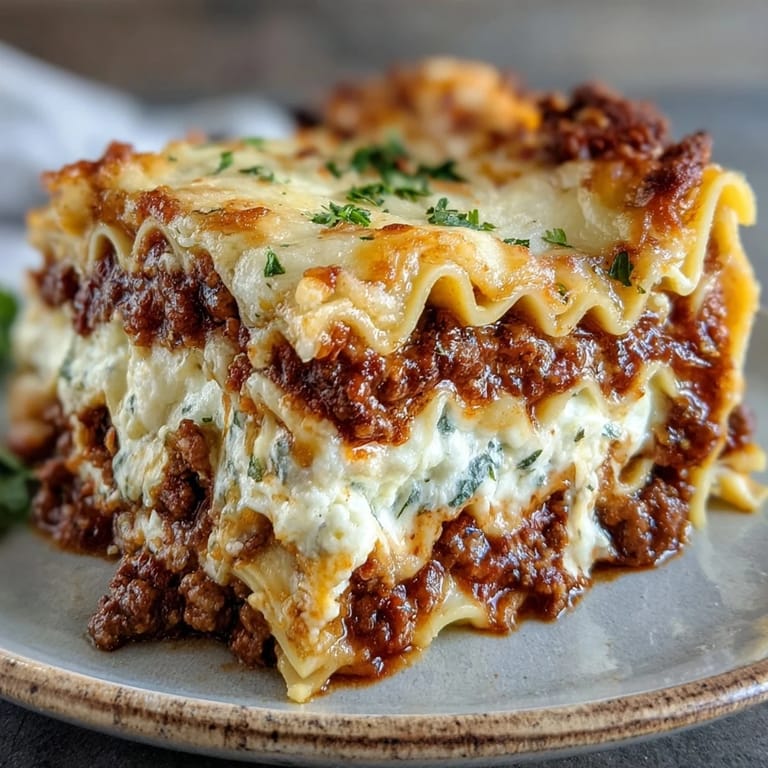
- Let the lasagna sit undisturbed for at least fifteen minutes—I know this is hard—but this resting time lets everything set so slices hold together instead of sliding apart on the plate. The layers will thank you for the patience.
 Save to Pinterest
 My daughter once said, watching this lasagna emerge from the oven, that it looked like edible architecture. She was right in a way that matters—lasagna is honest food, where every layer shows what you put in, no hiding behind fancy technique or reduction. When it works, there's something almost proud about it.
Variations That Keep It Interesting
Once you've made this version a few times, the dish becomes a canvas. I've layered in sautéed spinach for earthiness, added mushrooms that soak up all the sauce flavors, even swapped half the ground beef for ground lamb for a completely different direction. The structure stays the same; only the filling changes. The beauty is that you're not learning a new recipe each time—you're speaking the same language with different vocabulary.
What to Serve Alongside
Lasagna is generous enough to stand alone, but it loves company. A simple green salad with sharp vinaigrette cuts through the richness without competing for attention, while warm garlic bread gives people something to soak up extra sauce. A robust red wine like Chianti pairs naturally with the tomato and meat, bringing out flavors you didn't know were there. The meal becomes less about individual dishes and more about a whole experience built around this one centerpiece.
Storage and Reheating Wisdom
Lasagna reheats beautifully, often tasting better on day two when flavors have had time to marry together. Cover it loosely with foil and warm in a 325°F oven until heated through, which takes about twenty to thirty minutes depending on whether it's coming straight from the fridge or the freezer. Freezing is also forgiving—wrap cooled portions in plastic wrap and foil, and they'll keep for up to two months, ready to become dinner when you need them most.
- Let leftovers cool completely before refrigerating or freezing so condensation doesn't make the noodles mushy.
- Thaw frozen lasagna in the refrigerator overnight rather than at room temperature for food safety and better texture.
- Individual portions freeze and reheat better than one massive block, giving you flexibility for different appetite nights.
 Save to Pinterest
 This lasagna has fed my family through countless seasons and unexpected gatherings, and it never once made me regret the effort. It's the kind of food that feels both special and effortless, which might be the greatest compliment a recipe can earn.
Recipe FAQs
- → Can I make this lasagna ahead of time?
Absolutely. You can assemble the entire dish up to 24 hours in advance, cover tightly, and refrigerate. When ready to bake, add 5-10 minutes to the covered baking time since it will be cold. This actually helps flavors meld together beautifully.
- → Why use uncooked lasagna noodles?
Uncooked (no-boil) noodles absorb excess moisture from the sauce and ricotta while baking, resulting in perfectly tender pasta without the extra step of boiling. They're also easier to handle and less likely to tear during assembly.
- → Can I freeze leftovers?
Yes, lasagna freezes exceptionally well. Cut individual portions, wrap tightly in plastic and foil, and freeze for up to 2 months. Thaw overnight in the refrigerator before reheating at 350°F until heated through.
- → What can I substitute for Italian sausage?
You can use all ground beef, ground turkey, or a plant-based meat alternative. For similar flavor without sausage, add additional fennel seeds, red pepper flakes, and Italian herbs to the beef while browning.
- → Why is resting time important?
Resting for 15 minutes allows the layers to set and the cheese to firm slightly. This prevents your beautiful lasagna from sliding apart when sliced, giving you clean, neat portions that hold their shape on the plate.
- → Can I add vegetables to this lasagna?
Certainly. Sautéed spinach, mushrooms, or zucchini work wonderfully layered with the ricotta mixture. Just be sure to cook and drain vegetables well to avoid excess moisture that could make the dish soggy.