 Save to Pinterest
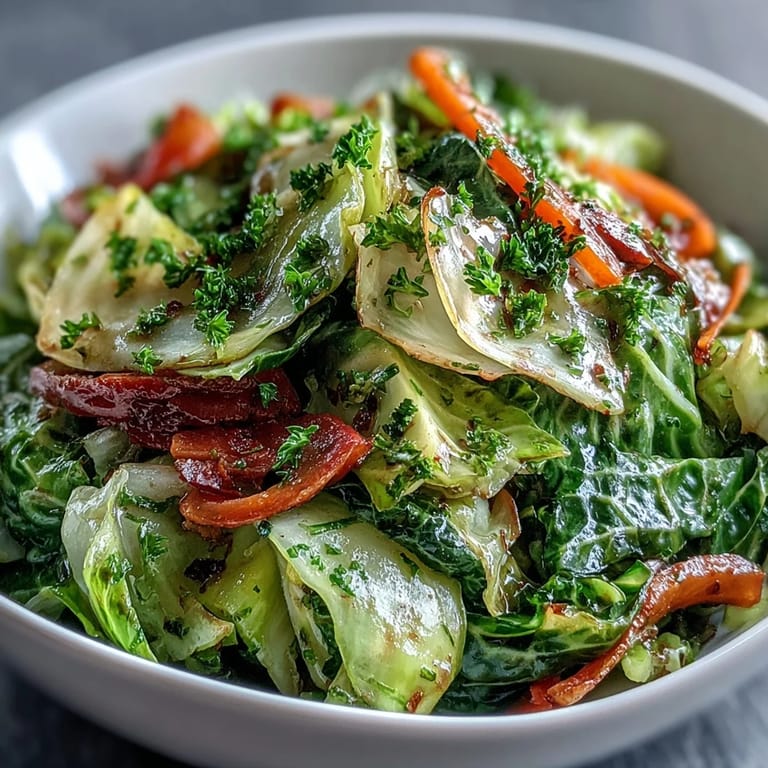
 There's something about the smell of cabbage hitting a hot skillet that makes me pause mid-thought, like the kitchen is demanding my full attention. Last spring, I was rushing through dinner prep when a friend stopped by unexpectedly, and instead of a quick scramble, we ended up sautéing an entire head of cabbage while talking about everything under the sun. The way it softened and sweetened with just a few minutes of heat changed how I thought about this humble vegetable. Now, whenever I make this salad, that warmth—both the pan and the conversation—comes rushing back. It's become my go-to proof that the simplest ingredients can hold the most memorable moments.
I made this for my sister's birthday picnic, and what surprised me most was watching people circle back for seconds on a salad—a salad!—in the middle of July. She'd mentioned wanting something that wouldn't wilt in the heat, and this one just got better as it sat. By the time we were eating dessert, the flavors had settled into this perfect balance where you could taste every ingredient separately but also as one whole thing. That's when I knew this recipe had staying power.
Ingredients
- 1 medium green cabbage (about 900 g), cored and thinly sliced: This is your star—slice it thin enough that it wilts quickly but sturdy enough that it doesn't turn to mush, ideally about the thickness of a quarter.
- 1 large carrot, peeled and julienned: The sweetness here balances the mustard in the dressing, so don't skip the julienne; matchstick cuts cook and dress more evenly.
- 1 small red onion, thinly sliced: Red onion stays vibrant and adds a gentle bite without overpowering everything once it mingles with the warm vegetables.
- 1 red bell pepper, thinly sliced: This brings color and a mild sweetness that softens the vinegar without needing extra sugar.
- 2 tbsp fresh parsley, chopped: Parsley might seem like garnish, but it's actually the green note that makes the whole thing feel fresh instead of heavy.
- 3 tbsp extra-virgin olive oil: Use one you actually like tasting, because this oil is a flavor player, not a background instrument.
- 2 tbsp apple cider vinegar: The acidity here is gentle and fruity compared to white vinegar, which would taste sharp and mean.
- 1 tbsp Dijon mustard: This emulsifies the dressing and adds a sophisticated tang that makes people ask what your secret ingredient is.
- 1 tsp honey (or maple syrup for vegan option): Just enough sweetness to round out the vinegar and make everything harmonize.
- 1/2 tsp sea salt and 1/4 tsp freshly ground black pepper: Season as you taste; you might find you need slightly more depending on how bold you like things.
- 1/4 cup toasted walnuts or sunflower seeds (optional): Toast these yourself if you can—the difference between store-bought and freshly toasted is worth the five minutes.
- 30 g feta cheese, crumbled (optional): The salty creaminess here is optional but transforms this into something that feels like a real main course salad.
Tired of Takeout? 🥡
Get 10 meals you can make faster than delivery arrives. Seriously.
One email. No spam. Unsubscribe anytime.
Instructions
- Heat your skillet and get the cabbage going:
- Warm one tablespoon of olive oil over medium-high heat until it's shimmering and smells toasty, then add your sliced cabbage all at once. You'll hear a sizzle, and that's exactly right—stir it frequently for 4 to 5 minutes until the edges catch a little color and the whole pile becomes tender but still somehow has personality.
- Move the cabbage to your mixing bowl:
- Transfer everything to a large bowl while it's still warm; this is when the vegetables are most ready to soak up flavor.
- Add the rest of the vegetables while warmth still matters:
- Toss in your carrot, red onion, bell pepper, and parsley now, stirring gently so everything gets to know each other in that residual heat.
- Make your dressing come together:
- In a small bowl, whisk the remaining olive oil, apple cider vinegar, Dijon mustard, honey, salt, and pepper until it looks smooth and combined. The mustard helps everything emulsify, so don't skip the whisking—it takes about 30 seconds and makes all the difference.
- Dress everything and let it rest:
- Pour that dressing over your vegetable mixture and toss with intent until every piece glistens. Let it sit for five minutes so the flavors actually merge instead of just sitting next to each other.
- Finish and serve:
- Top with walnuts or sunflower seeds and crumbled feta if you're using them, then serve warm or at room temperature—both versions have their own charm.
 Save to Pinterest
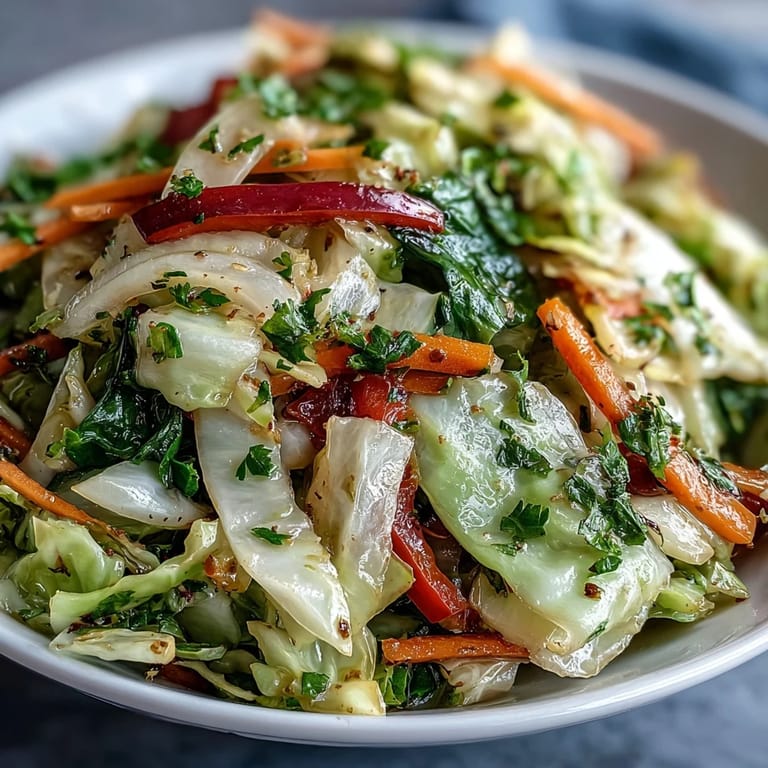
 My neighbor mentioned that this salad was the thing that got her kids to finally eat something green without negotiating, and she started making it weekly. That kind of conversion—turning vegetables into something people actually want to eat—feels like the whole point of cooking. Now when I make it, I'm thinking about all the quiet victories happening around different tables.
Why Warm Vegetables Change Everything
There's a reason hotels and good restaurants will sauté raw vegetables before dressing them—warmth opens up flavors and lets the dressing soak in instead of sliding around on the surface. When I first made this salad with raw cabbage, it tasted fine but forgettable, like I was going through the motions. The moment I started sautéing that cabbage first, something clicked. The sweetness deepened, the texture became silky, and suddenly the whole salad felt intentional and generous. It taught me that sometimes the smallest technique adjustment is what separates a good idea from something you actually want to eat again.
Timing and Flexibility
This salad is forgiving in the best way—you can eat it right after you dress it while the vegetables are still warm and tender, or let it cool to room temperature and eat it later. I've learned that both versions taste different but equally good, so your mood and your schedule get to decide. On hectic days, I throw it together and serve it warm, but when I'm having friends over, I make it earlier and let it rest in the fridge, which seems to make everything taste more settled and thoughtful.
Making It Your Own
The beauty of this recipe is that it's a template instead of a rule book. I've made it with shredded apple for crunch when I didn't have anything else, and with thinly sliced radishes when they were what I picked up from the market. Once I even threw in some thinly sliced beets and the whole thing turned pink and tasted like autumn. The dressing is strong enough to handle your additions, and the warm cabbage base is flexible enough that you're not actually breaking anything by improvising.
- If you want extra crunch, radishes or shredded apple are your secret weapons and they stay crisp even after dressing.
- This salad pairs beautifully with grilled chicken or roasted salmon if you want to turn it into a full dinner instead of a side dish.
- Store any leftovers in the fridge for up to two days, but trust your instincts about whether it still tastes like itself.
 Save to Pinterest
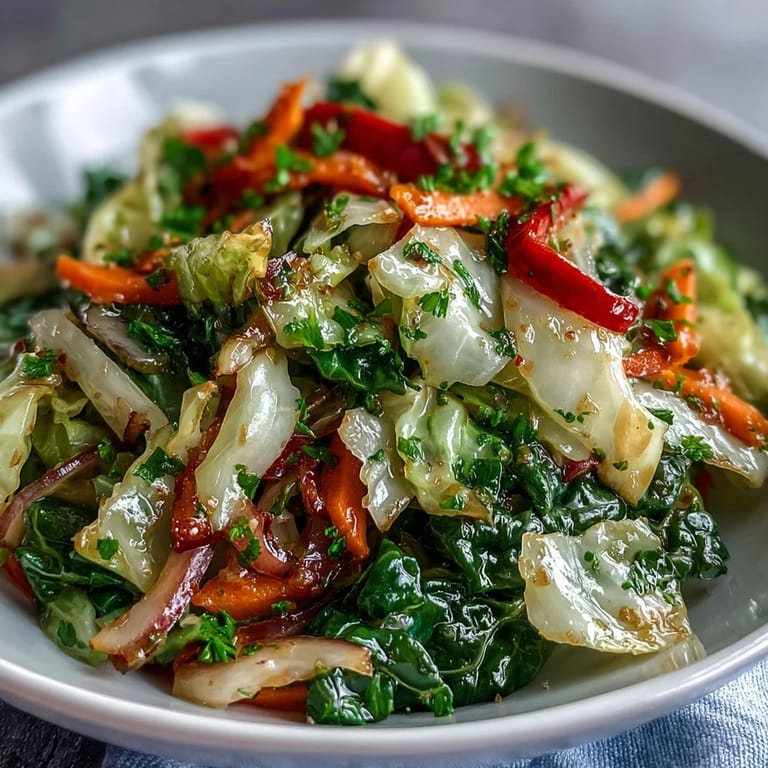
 This salad has become my answer to the question of what to bring when I'm unsure, and my trick when someone says they don't really like salads. It's proof that cooking doesn't have to be complicated to feel meaningful or taste delicious.
Recipe FAQs
- → Should I serve this warm or cold?
Best served warm or at room temperature. The flavors meld beautifully after sitting for 5 minutes. If refrigerating, bring to room temperature before serving.
- → Can I make this ahead?
Yes, keeps well refrigerated for up to 2 days. The cabbage retains its texture and the dressing continues to enhance the flavors.
- → What protein pairs well?
Grilled chicken or roasted salmon complement beautifully. For vegetarian protein, add chickpeas or serve alongside quinoa.
- → Is this suitable for meal prep?
Absolutely. Portion into containers and store chilled. The warm cabbage base holds up better than delicate lettuce greens.
- → How do I make it vegan?
Swap honey for maple syrup and omit feta cheese. The walnuts or sunflower seeds provide satisfying crunch and plant-based protein.
- → Can I use different vegetables?
Thinly sliced radishes or shredded apple add extra crunch. The method works well with kale, Brussels sprouts, or mixed greens too.